Buy getl.eu ?
We are moving the project
getl.eu .
Are you interested in purchasing the domain
getl.eu ?
domain@kv-gmbh.de · 0541-91531010
Buy getl.eu ?
Are patients with public health insurance treated differently?
Patients with public health insurance may be treated differently in some cases compared to those with private insurance. Some healthcare providers may limit the services available to patients with public insurance or have longer wait times for appointments. Additionally, patients with public insurance may have fewer options for choosing their healthcare providers or specialists. However, it is important to note that healthcare providers are required to provide the same standard of care to all patients, regardless of their insurance status. **
What are the differences between dental treatment for private patients and patients with public health insurance?
The main differences between dental treatment for private patients and patients with public health insurance lie in the level of coverage and choice of treatment options. Private patients typically have access to a wider range of treatment options and may receive more personalized care, but they also bear the full cost of treatment. On the other hand, patients with public health insurance may have limited treatment options and longer wait times, but their treatment costs are partially or fully covered by the insurance. Additionally, private patients may have the flexibility to choose their preferred dentist, while public health insurance patients may be limited to a network of approved providers. **

Similar search terms for Patients
Top-Angebote
Products related to Patients:
-
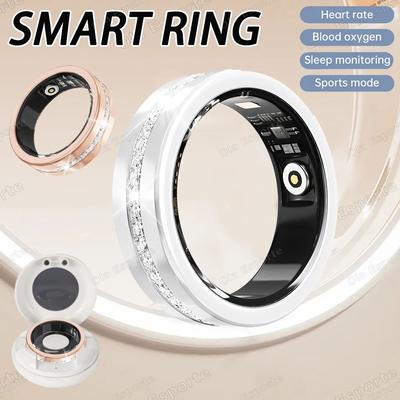
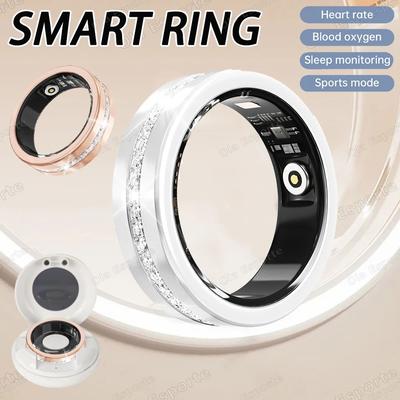
Uplift Treasures Fashion Smart Fitness Ring Heart Rate Pedometer Health Tracker black 9Product Description Combine style and wellness with this elegant smart fitness ring designed especially for everyday health tracking. Featuring heart rate monitoring, step counting, and sports activity tracking, this diamond style smart ring blends...33,97 $*Shipping: 0,00 $Secure redirect to the provider
-
Uplift Treasures Fashion Smart Fitness Ring Heart Rate Pedometer Health Tracker black 10Product Description Combine style and wellness with this elegant smart fitness ring designed especially for everyday health tracking. Featuring heart rate monitoring, step counting, and sports activity tracking, this diamond style smart ring blends...33,97 $*Shipping: 0,00 $Secure redirect to the provider
-
Uplift Treasures Fashion Smart Fitness Ring Heart Rate Pedometer Health Tracker black 8Product Description Combine style and wellness with this elegant smart fitness ring designed especially for everyday health tracking. Featuring heart rate monitoring, step counting, and sports activity tracking, this diamond style smart ring blends...33,97 $*Shipping: 0,00 $Secure redirect to the provider
-
Inspired Finds Automatic Rehabilitation Robot Gloves Stroke Recovery Hand Therapy & Finger Training Device For Hemiplegia Patients left Hand size SRebuild strength, flexibility, and independence with the robot gloves for rehabilitation designed for stroke survivors and patients with hemiplegia. This advanced hand therapy device automatically assists finger movement, encouraging recovery...186,99 $*Shipping: 0,00 $Secure redirect to the provider



-
What are the differences between dental treatment for private patients and patients with statutory health insurance?
The main differences between dental treatment for private patients and patients with statutory health insurance lie in the scope of services covered and the level of out-of-pocket costs. Private patients have access to a wider range of treatments and materials that may not be covered by statutory health insurance. They also have more flexibility in choosing their dentist and scheduling appointments. On the other hand, patients with statutory health insurance have a more limited selection of treatments covered and may need to pay additional fees for certain services. **
-
What can the statutory health insurance patients expect next?
Statutory health insurance patients can expect continued coverage for essential medical services, including doctor visits, hospital stays, and prescription medications. They may also see an expansion of coverage for certain preventive services and mental health treatments. Additionally, there may be efforts to improve access to care, such as through telemedicine options and increased availability of healthcare providers. Overall, the focus will likely be on ensuring that patients have access to high-quality, affordable healthcare services. **
-
May patients and caregivers...?
May patients and caregivers seek support and guidance from healthcare professionals and support groups to better understand and manage their medical conditions. It is important for patients and caregivers to stay informed and educated about the condition, treatment options, and potential side effects. Seeking out reliable sources of information and connecting with others who have similar experiences can help patients and caregivers feel more empowered and supported in their journey. **
-
Can pain patients donate?
Yes, pain patients can donate blood as long as they meet the eligibility criteria set by blood donation centers. Chronic pain or pain medication use alone does not disqualify someone from donating blood. However, certain conditions or medications may impact eligibility, so it is important for pain patients to disclose their medical history and current medications during the screening process. It is recommended that individuals consult with their healthcare provider or the blood donation center if they have any concerns about their eligibility to donate. **


What about coma patients?
Coma patients are individuals who are in a state of prolonged unconsciousness and are unable to respond to their environment. The causes of coma can vary, including traumatic brain injury, stroke, or metabolic disorders. Treatment and prognosis for coma patients depend on the underlying cause of the coma and the individual's overall health. Medical professionals will typically provide supportive care, monitor vital signs, and conduct diagnostic tests to determine the cause of the coma and develop a treatment plan. Rehabilitation may also be necessary for coma patients to help them regain function and improve their quality of life. **
Can ophthalmologists reject patients' employees?
Ophthalmologists have the right to reject patients' employees if they believe there is a conflict of interest or if they feel uncomfortable providing care due to a preexisting relationship. However, it is important for ophthalmologists to communicate their reasons for rejecting a patient's employee in a professional and respectful manner. Ultimately, the decision to reject a patient's employee should be based on ethical considerations and the ophthalmologist's ability to provide unbiased and quality care. **
Top-Angebote
Products related to Patients:
-
Uplift Treasures Fashion Smart Fitness Ring Heart Rate Pedometer Health Tracker black 7Product Description Combine style and wellness with this elegant smart fitness ring designed especially for everyday health tracking. Featuring heart rate monitoring, step counting, and sports activity tracking, this diamond style smart ring blends...33,97 $*Shipping: 0,00 $Secure redirect to the provider
-
Inspired Finds Automatic Rehabilitation Robot Gloves Stroke Recovery Hand Therapy & Finger Training Device For Hemiplegia Patients right Hand size XxlRebuild strength, flexibility, and independence with the robot gloves for rehabilitation designed for stroke survivors and patients with hemiplegia. This advanced hand therapy device automatically assists finger movement, encouraging recovery...186,99 $*Shipping: 0,00 $Secure redirect to the provider
-
Uplift Treasures Fashion Smart Fitness Ring Heart Rate Pedometer Health Tracker black 9Product Description Combine style and wellness with this elegant smart fitness ring designed especially for everyday health tracking. Featuring heart rate monitoring, step counting, and sports activity tracking, this diamond style smart ring blends...33,97 $*Shipping: 0,00 $Secure redirect to the provider
-
Uplift Treasures Fashion Smart Fitness Ring Heart Rate Pedometer Health Tracker black 10Product Description Combine style and wellness with this elegant smart fitness ring designed especially for everyday health tracking. Featuring heart rate monitoring, step counting, and sports activity tracking, this diamond style smart ring blends...33,97 $*Shipping: 0,00 $Secure redirect to the provider
-
Are patients with public health insurance treated differently?
Patients with public health insurance may be treated differently in some cases compared to those with private insurance. Some healthcare providers may limit the services available to patients with public insurance or have longer wait times for appointments. Additionally, patients with public insurance may have fewer options for choosing their healthcare providers or specialists. However, it is important to note that healthcare providers are required to provide the same standard of care to all patients, regardless of their insurance status. **
-
What are the differences between dental treatment for private patients and patients with public health insurance?
The main differences between dental treatment for private patients and patients with public health insurance lie in the level of coverage and choice of treatment options. Private patients typically have access to a wider range of treatment options and may receive more personalized care, but they also bear the full cost of treatment. On the other hand, patients with public health insurance may have limited treatment options and longer wait times, but their treatment costs are partially or fully covered by the insurance. Additionally, private patients may have the flexibility to choose their preferred dentist, while public health insurance patients may be limited to a network of approved providers. **
-
What are the differences between dental treatment for private patients and patients with statutory health insurance?
The main differences between dental treatment for private patients and patients with statutory health insurance lie in the scope of services covered and the level of out-of-pocket costs. Private patients have access to a wider range of treatments and materials that may not be covered by statutory health insurance. They also have more flexibility in choosing their dentist and scheduling appointments. On the other hand, patients with statutory health insurance have a more limited selection of treatments covered and may need to pay additional fees for certain services. **
-
What can the statutory health insurance patients expect next?
Statutory health insurance patients can expect continued coverage for essential medical services, including doctor visits, hospital stays, and prescription medications. They may also see an expansion of coverage for certain preventive services and mental health treatments. Additionally, there may be efforts to improve access to care, such as through telemedicine options and increased availability of healthcare providers. Overall, the focus will likely be on ensuring that patients have access to high-quality, affordable healthcare services. **
Similar search terms for Patients
-
Uplift Treasures Fashion Smart Fitness Ring Heart Rate Pedometer Health Tracker black 8Product Description Combine style and wellness with this elegant smart fitness ring designed especially for everyday health tracking. Featuring heart rate monitoring, step counting, and sports activity tracking, this diamond style smart ring blends...33,97 $*Shipping: 0,00 $Secure redirect to the provider
-
Inspired Finds Automatic Rehabilitation Robot Gloves Stroke Recovery Hand Therapy & Finger Training Device For Hemiplegia Patients left Hand size SRebuild strength, flexibility, and independence with the robot gloves for rehabilitation designed for stroke survivors and patients with hemiplegia. This advanced hand therapy device automatically assists finger movement, encouraging recovery...186,99 $*Shipping: 0,00 $Secure redirect to the provider
-
Inspired Finds Automatic Rehabilitation Robot Gloves Stroke Recovery Hand Therapy & Finger Training Device For Hemiplegia Patients left Hand size XxlRebuild strength, flexibility, and independence with the robot gloves for rehabilitation designed for stroke survivors and patients with hemiplegia. This advanced hand therapy device automatically assists finger movement, encouraging recovery...186,99 $*Shipping: 0,00 $Secure redirect to the provider
-
Inspired Finds Automatic Rehabilitation Robot Gloves Stroke Recovery Hand Therapy & Finger Training Device For Hemiplegia Patients right Hand size XlRebuild strength, flexibility, and independence with the robot gloves for rehabilitation designed for stroke survivors and patients with hemiplegia. This advanced hand therapy device automatically assists finger movement, encouraging recovery...186,99 $*Shipping: 0,00 $Secure redirect to the provider
-
May patients and caregivers...?
May patients and caregivers seek support and guidance from healthcare professionals and support groups to better understand and manage their medical conditions. It is important for patients and caregivers to stay informed and educated about the condition, treatment options, and potential side effects. Seeking out reliable sources of information and connecting with others who have similar experiences can help patients and caregivers feel more empowered and supported in their journey. **
-
Can pain patients donate?
Yes, pain patients can donate blood as long as they meet the eligibility criteria set by blood donation centers. Chronic pain or pain medication use alone does not disqualify someone from donating blood. However, certain conditions or medications may impact eligibility, so it is important for pain patients to disclose their medical history and current medications during the screening process. It is recommended that individuals consult with their healthcare provider or the blood donation center if they have any concerns about their eligibility to donate. **
-
What about coma patients?
Coma patients are individuals who are in a state of prolonged unconsciousness and are unable to respond to their environment. The causes of coma can vary, including traumatic brain injury, stroke, or metabolic disorders. Treatment and prognosis for coma patients depend on the underlying cause of the coma and the individual's overall health. Medical professionals will typically provide supportive care, monitor vital signs, and conduct diagnostic tests to determine the cause of the coma and develop a treatment plan. Rehabilitation may also be necessary for coma patients to help them regain function and improve their quality of life. **
-
Can ophthalmologists reject patients' employees?
Ophthalmologists have the right to reject patients' employees if they believe there is a conflict of interest or if they feel uncomfortable providing care due to a preexisting relationship. However, it is important for ophthalmologists to communicate their reasons for rejecting a patient's employee in a professional and respectful manner. Ultimately, the decision to reject a patient's employee should be based on ethical considerations and the ophthalmologist's ability to provide unbiased and quality care. **
* All prices are inclusive of VAT and, if applicable, plus shipping costs. The offer information is based on the details provided by the respective shop and is updated through automated processes. Real-time updates do not occur, so deviations can occur in individual cases. ** Note: Parts of this content were created by AI.