Buy getl.eu ?
We are moving the project
getl.eu .
Are you interested in purchasing the domain
getl.eu ?
domain@kv-gmbh.de · 0541-91531010
Buy getl.eu ?
What is the relationship between non-merchants, potential merchants, and actual merchants?
Non-merchants are individuals who are not currently engaged in any commercial activities. Potential merchants are individuals who are considering entering the world of commerce and starting their own business. Actual merchants are individuals who have already established their businesses and are actively involved in buying and selling goods or services. The relationship between these three groups is that non-merchants may transition into potential merchants as they start exploring business opportunities, and potential merchants may eventually become actual merchants once they establish their businesses and start operating in the market. **
Are retail merchants and office merchants in the same class?
Retail merchants and office merchants are not typically in the same class. Retail merchants are businesses that sell goods directly to consumers, often through physical storefronts or online platforms. Office merchants, on the other hand, are businesses that provide services or products to other businesses, often in a business-to-business (B2B) context. While both types of merchants are involved in commercial activities, they serve different markets and have distinct business models. **
Similar search terms for Merchants
Top-Angebote
Products related to Merchants:
-
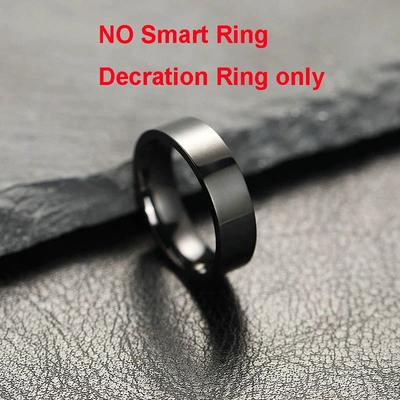
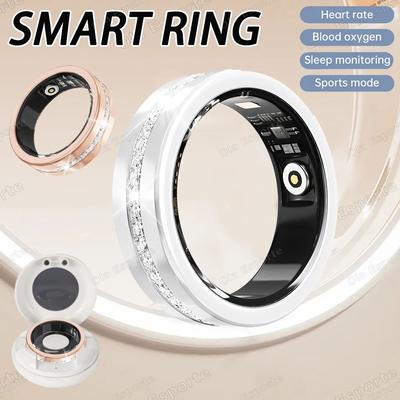
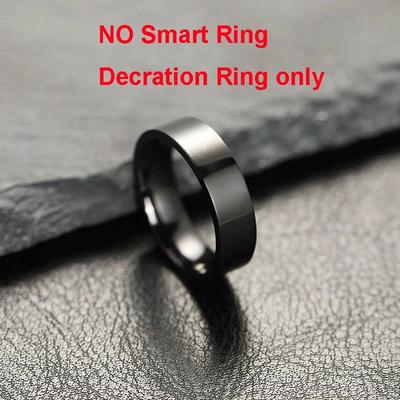
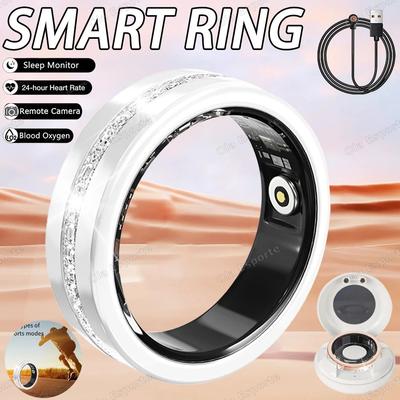
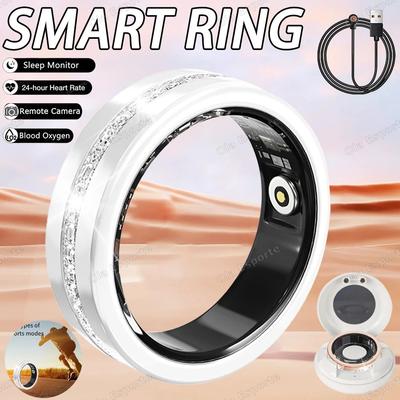
Uplift Treasures Fashion Smart Fitness Ring Heart Rate Pedometer Health Tracker black 10Product Description Combine style and wellness with this elegant smart fitness ring designed especially for everyday health tracking. Featuring heart rate monitoring, step counting, and sports activity tracking, this diamond style smart ring blends...33,97 $*Shipping: 0,00 $Secure redirect to the provider
-
Uplift Treasures Fashion Smart Fitness Ring Heart Rate Pedometer Health Tracker black 8Product Description Combine style and wellness with this elegant smart fitness ring designed especially for everyday health tracking. Featuring heart rate monitoring, step counting, and sports activity tracking, this diamond style smart ring blends...33,97 $*Shipping: 0,00 $Secure redirect to the provider
-
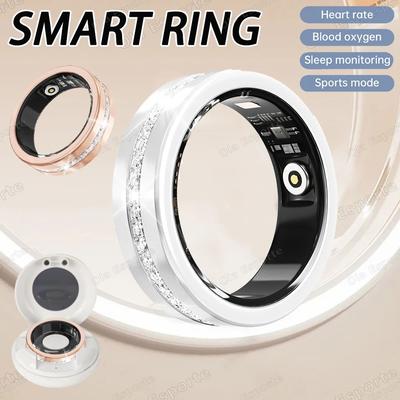
Uplift Treasures Fashion Smart Fitness Ring Heart Rate Pedometer Health Tracker silver With Box 8Product Description Combine style and wellness with this elegant smart fitness ring designed especially for everyday health tracking. Featuring heart rate monitoring, step counting, and sports activity tracking, this diamond style smart ring blends...147,97 $*Shipping: 0,00 $Secure redirect to the provider
-
Uplift Treasures Fashion Smart Fitness Ring Heart Rate Pedometer Health Tracker silver With Box 9Product Description Combine style and wellness with this elegant smart fitness ring designed especially for everyday health tracking. Featuring heart rate monitoring, step counting, and sports activity tracking, this diamond style smart ring blends...147,97 $*Shipping: 0,00 $Secure redirect to the provider
-
Can merchants reject me?
Yes, merchants have the right to reject customers for various reasons, such as if the customer is unable to provide valid identification, has a history of fraudulent activity, or if the merchant believes the customer may not be able to pay for the goods or services. Merchants also have the right to refuse service based on their own policies or if the customer is behaving in a disruptive or threatening manner. However, it is important for merchants to adhere to anti-discrimination laws and not reject customers based on protected characteristics such as race, gender, religion, or disability. **
-
According to the Commercial Code (HGB), which merchants are always considered merchants?
According to the Commercial Code (HGB), individuals who are registered in the commercial register are always considered merchants. Additionally, individuals who operate a commercial business under a commercial business name are also considered merchants. Finally, individuals who are engaged in a commercial business and have a commercial establishment are considered merchants under the HGB. **
-
What is the difference between merchants in the healthcare sector and merchants in office management?
Merchants in the healthcare sector typically deal with the buying and selling of medical supplies, equipment, and pharmaceuticals, as well as managing the financial aspects of healthcare facilities. They must navigate complex regulations and compliance requirements related to patient care and privacy. On the other hand, merchants in office management focus on purchasing and selling office supplies, furniture, and technology, as well as managing the administrative and operational needs of businesses. They are more concerned with streamlining processes and improving efficiency in the workplace. Overall, the main difference lies in the specific products and services they handle, as well as the unique regulations and challenges they face within their respective industries. **
-
Are the types of merchants correct?
Yes, the types of merchants are correct. The three main types of merchants are wholesalers, retailers, and service providers. Wholesalers buy goods in bulk from manufacturers and sell them to retailers. Retailers sell goods directly to consumers. Service providers offer intangible services to consumers. These categories accurately represent the different roles and functions of merchants in the business world. **
What types of merchants are there?
There are various types of merchants, including retail merchants who sell goods directly to consumers, wholesale merchants who sell products in bulk to retailers, e-commerce merchants who conduct business online, and service merchants who provide services instead of physical goods. Additionally, there are specialty merchants who focus on selling a specific type of product or serving a particular niche market, as well as global merchants who operate on an international scale. Each type of merchant plays a unique role in the economy and serves different customer needs. **
Do merchants need good math skills?
Yes, merchants need good math skills in order to accurately calculate profits, expenses, taxes, and pricing. They need to be able to analyze data, forecast sales, and manage inventory effectively. Math skills are essential for making informed business decisions and ensuring financial success in the competitive marketplace. **
Top-Angebote
Products related to Merchants:
-
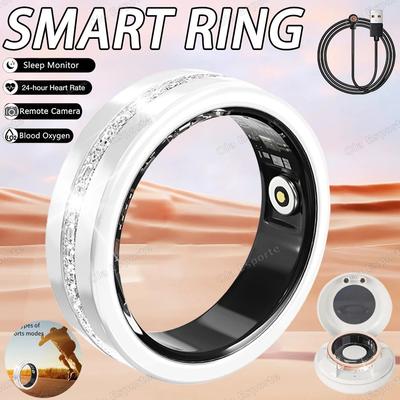
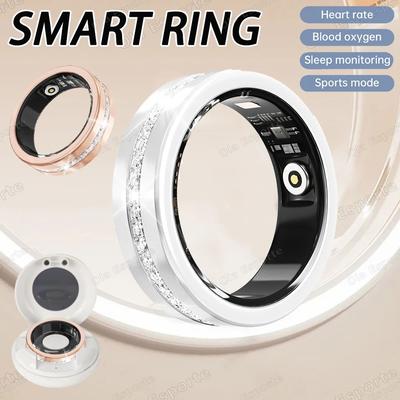
Uplift Treasures Fashion Smart Fitness Ring Heart Rate Pedometer Health Tracker black 9Product Description Combine style and wellness with this elegant smart fitness ring designed especially for everyday health tracking. Featuring heart rate monitoring, step counting, and sports activity tracking, this diamond style smart ring blends...33,97 $*Shipping: 0,00 $Secure redirect to the provider
-
Uplift Treasures Fashion Smart Fitness Ring Heart Rate Pedometer Health Tracker black 7Product Description Combine style and wellness with this elegant smart fitness ring designed especially for everyday health tracking. Featuring heart rate monitoring, step counting, and sports activity tracking, this diamond style smart ring blends...33,97 $*Shipping: 0,00 $Secure redirect to the provider
-
Uplift Treasures Fashion Smart Fitness Ring Heart Rate Pedometer Health Tracker black 10Product Description Combine style and wellness with this elegant smart fitness ring designed especially for everyday health tracking. Featuring heart rate monitoring, step counting, and sports activity tracking, this diamond style smart ring blends...33,97 $*Shipping: 0,00 $Secure redirect to the provider
-
Uplift Treasures Fashion Smart Fitness Ring Heart Rate Pedometer Health Tracker black 8Product Description Combine style and wellness with this elegant smart fitness ring designed especially for everyday health tracking. Featuring heart rate monitoring, step counting, and sports activity tracking, this diamond style smart ring blends...33,97 $*Shipping: 0,00 $Secure redirect to the provider
-
What is the relationship between non-merchants, potential merchants, and actual merchants?
Non-merchants are individuals who are not currently engaged in any commercial activities. Potential merchants are individuals who are considering entering the world of commerce and starting their own business. Actual merchants are individuals who have already established their businesses and are actively involved in buying and selling goods or services. The relationship between these three groups is that non-merchants may transition into potential merchants as they start exploring business opportunities, and potential merchants may eventually become actual merchants once they establish their businesses and start operating in the market. **
-
Are retail merchants and office merchants in the same class?
Retail merchants and office merchants are not typically in the same class. Retail merchants are businesses that sell goods directly to consumers, often through physical storefronts or online platforms. Office merchants, on the other hand, are businesses that provide services or products to other businesses, often in a business-to-business (B2B) context. While both types of merchants are involved in commercial activities, they serve different markets and have distinct business models. **
-
Can merchants reject me?
Yes, merchants have the right to reject customers for various reasons, such as if the customer is unable to provide valid identification, has a history of fraudulent activity, or if the merchant believes the customer may not be able to pay for the goods or services. Merchants also have the right to refuse service based on their own policies or if the customer is behaving in a disruptive or threatening manner. However, it is important for merchants to adhere to anti-discrimination laws and not reject customers based on protected characteristics such as race, gender, religion, or disability. **
-
According to the Commercial Code (HGB), which merchants are always considered merchants?
According to the Commercial Code (HGB), individuals who are registered in the commercial register are always considered merchants. Additionally, individuals who operate a commercial business under a commercial business name are also considered merchants. Finally, individuals who are engaged in a commercial business and have a commercial establishment are considered merchants under the HGB. **
Similar search terms for Merchants
-
Uplift Treasures Fashion Smart Fitness Ring Heart Rate Pedometer Health Tracker silver With Box 8Product Description Combine style and wellness with this elegant smart fitness ring designed especially for everyday health tracking. Featuring heart rate monitoring, step counting, and sports activity tracking, this diamond style smart ring blends...147,97 $*Shipping: 0,00 $Secure redirect to the provider
-
Uplift Treasures Fashion Smart Fitness Ring Heart Rate Pedometer Health Tracker silver With Box 9Product Description Combine style and wellness with this elegant smart fitness ring designed especially for everyday health tracking. Featuring heart rate monitoring, step counting, and sports activity tracking, this diamond style smart ring blends...147,97 $*Shipping: 0,00 $Secure redirect to the provider
-
Uplift Treasures Fashion Smart Fitness Ring Heart Rate Pedometer Health Tracker silver With Box 10Product Description Combine style and wellness with this elegant smart fitness ring designed especially for everyday health tracking. Featuring heart rate monitoring, step counting, and sports activity tracking, this diamond style smart ring blends...147,97 $*Shipping: 0,00 $Secure redirect to the provider
-
Uplift Treasures Fashion Smart Fitness Ring Heart Rate Pedometer Health Tracker silver With Box 7Product Description Combine style and wellness with this elegant smart fitness ring designed especially for everyday health tracking. Featuring heart rate monitoring, step counting, and sports activity tracking, this diamond style smart ring blends...147,97 $*Shipping: 0,00 $Secure redirect to the provider
-
What is the difference between merchants in the healthcare sector and merchants in office management?
Merchants in the healthcare sector typically deal with the buying and selling of medical supplies, equipment, and pharmaceuticals, as well as managing the financial aspects of healthcare facilities. They must navigate complex regulations and compliance requirements related to patient care and privacy. On the other hand, merchants in office management focus on purchasing and selling office supplies, furniture, and technology, as well as managing the administrative and operational needs of businesses. They are more concerned with streamlining processes and improving efficiency in the workplace. Overall, the main difference lies in the specific products and services they handle, as well as the unique regulations and challenges they face within their respective industries. **
-
Are the types of merchants correct?
Yes, the types of merchants are correct. The three main types of merchants are wholesalers, retailers, and service providers. Wholesalers buy goods in bulk from manufacturers and sell them to retailers. Retailers sell goods directly to consumers. Service providers offer intangible services to consumers. These categories accurately represent the different roles and functions of merchants in the business world. **
-
What types of merchants are there?
There are various types of merchants, including retail merchants who sell goods directly to consumers, wholesale merchants who sell products in bulk to retailers, e-commerce merchants who conduct business online, and service merchants who provide services instead of physical goods. Additionally, there are specialty merchants who focus on selling a specific type of product or serving a particular niche market, as well as global merchants who operate on an international scale. Each type of merchant plays a unique role in the economy and serves different customer needs. **
-
Do merchants need good math skills?
Yes, merchants need good math skills in order to accurately calculate profits, expenses, taxes, and pricing. They need to be able to analyze data, forecast sales, and manage inventory effectively. Math skills are essential for making informed business decisions and ensuring financial success in the competitive marketplace. **
* All prices are inclusive of VAT and, if applicable, plus shipping costs. The offer information is based on the details provided by the respective shop and is updated through automated processes. Real-time updates do not occur, so deviations can occur in individual cases. ** Note: Parts of this content were created by AI.