Buy getl.eu ?
We are moving the project
getl.eu .
Are you interested in purchasing the domain
getl.eu ?
domain@kv-gmbh.de · 0541-91531010
Buy getl.eu ?
How is the epidermis supplied with nutrients?
The epidermis is supplied with nutrients through the process of diffusion from the underlying dermis. The dermis contains blood vessels that deliver oxygen and nutrients to the epidermal cells. These nutrients then diffuse through the basement membrane and into the epidermis, providing the necessary nourishment for the skin cells to function and regenerate. Additionally, the epidermis also receives nutrients from the external environment through the use of topical skincare products and a healthy diet. **
What is the function of the epidermis in the leaf?
The epidermis of a leaf serves as a protective layer that helps to prevent water loss and protect the leaf from physical damage and pathogens. It also contains specialized cells called guard cells that regulate the exchange of gases, such as carbon dioxide and oxygen, between the leaf and the surrounding environment through tiny openings called stomata. Additionally, the epidermis may also have specialized structures, such as trichomes, that provide further protection from herbivores and excessive sunlight. **
Similar search terms for Epidermis
Top-Angebote
Products related to Epidermis:
-
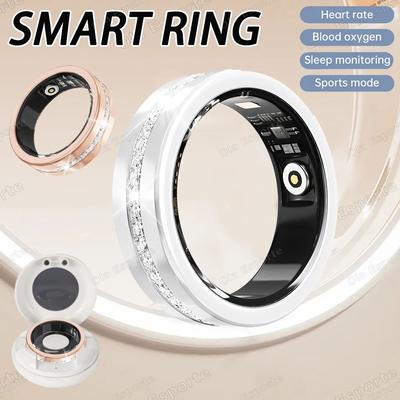
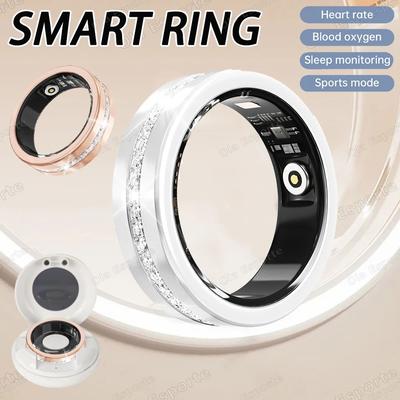
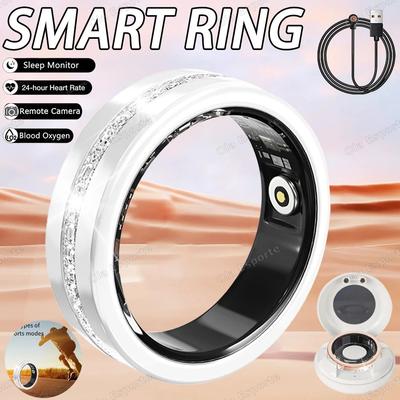
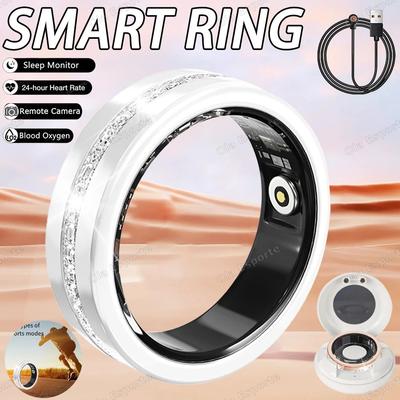
Uplift Treasures Fashion Smart Fitness Ring Heart Rate Pedometer Health Tracker black 10Product Description Combine style and wellness with this elegant smart fitness ring designed especially for everyday health tracking. Featuring heart rate monitoring, step counting, and sports activity tracking, this diamond style smart ring blends...33,97 $*Shipping: 0,00 $Secure redirect to the provider
-
Uplift Treasures Fashion Smart Fitness Ring Heart Rate Pedometer Health Tracker black 8Product Description Combine style and wellness with this elegant smart fitness ring designed especially for everyday health tracking. Featuring heart rate monitoring, step counting, and sports activity tracking, this diamond style smart ring blends...33,97 $*Shipping: 0,00 $Secure redirect to the provider
-
Uplift Treasures Fashion Smart Fitness Ring Heart Rate Pedometer Health Tracker silver With Box 8Product Description Combine style and wellness with this elegant smart fitness ring designed especially for everyday health tracking. Featuring heart rate monitoring, step counting, and sports activity tracking, this diamond style smart ring blends...147,97 $*Shipping: 0,00 $Secure redirect to the provider
-
Uplift Treasures Fashion Smart Fitness Ring Heart Rate Pedometer Health Tracker silver With Box 9Product Description Combine style and wellness with this elegant smart fitness ring designed especially for everyday health tracking. Featuring heart rate monitoring, step counting, and sports activity tracking, this diamond style smart ring blends...147,97 $*Shipping: 0,00 $Secure redirect to the provider
-
Why are there no chloroplasts in the epidermis of a leaf?
Chloroplasts are primarily found in the palisade and spongy mesophyll layers of a leaf, where they can efficiently carry out photosynthesis due to their proximity to light and air. The epidermis of a leaf is primarily responsible for protection and gas exchange, so it does not contain chloroplasts as they are not needed for these functions. Additionally, having chloroplasts in the epidermis could increase the risk of damage from external factors such as UV radiation or physical stress. **
-
What are the functions of the epidermis, dermis, and subcutaneous tissue?
The epidermis is the outermost layer of the skin and serves as a protective barrier against environmental factors, such as UV radiation, pathogens, and chemicals. It also helps regulate water loss and temperature. The dermis is the middle layer of the skin and contains blood vessels, nerves, hair follicles, and sweat glands. It provides structural support and elasticity to the skin, as well as housing important sensory receptors for touch, pressure, and pain. The subcutaneous tissue, also known as the hypodermis, is the deepest layer of the skin and consists of fat and connective tissue. It serves as insulation, energy storage, and cushioning for the body, as well as providing a connection between the skin and underlying muscles and bones. **
-
What is the microscopic drawing of the lower epidermis of a cyclamen?
The microscopic drawing of the lower epidermis of a cyclamen would show a layer of cells with irregular shapes and sizes. The cells would have a smooth surface and may contain stomata, which are small openings that allow for gas exchange. The drawing would also likely show the presence of trichomes, which are hair-like structures that can help protect the plant from herbivores and reduce water loss. Overall, the microscopic drawing would reveal the complex and specialized structure of the lower epidermis that allows the cyclamen to thrive in its environment. **
-
How do the lower and upper epidermis of the grape leaf differ?
The lower epidermis of a grape leaf typically has more stomata, which are small openings that allow for gas exchange and transpiration. The upper epidermis, on the other hand, usually has fewer stomata. Additionally, the lower epidermis may have more trichomes, which are hair-like structures that can help protect the leaf from herbivores and reduce water loss. The upper epidermis is often more exposed to sunlight and therefore may have a thicker cuticle to help prevent water loss and protect against UV radiation. **
What is motion in nature and technology?
Motion in nature refers to the movement of objects or organisms from one place to another. This can include the movement of animals, the flow of water, or the orbit of planets around the sun. In technology, motion refers to the movement of mechanical parts, such as the rotation of gears in a machine or the movement of a robotic arm. Understanding motion in both nature and technology is important for fields such as physics, engineering, and biology, as it allows us to study and manipulate the movement of objects and organisms. **
What is Food Technology 2?
Food Technology 2 is an advanced course that builds upon the foundational knowledge and skills gained in Food Technology 1. It delves deeper into the principles of food science, food processing, and food safety, while also exploring advanced techniques in food production and preservation. Students in Food Technology 2 may have the opportunity to work on more complex projects, such as developing new food products or optimizing food manufacturing processes. Overall, the course aims to provide students with a more comprehensive understanding of the food industry and the technological advancements driving innovation in food production. **
Top-Angebote
Products related to Epidermis:
-
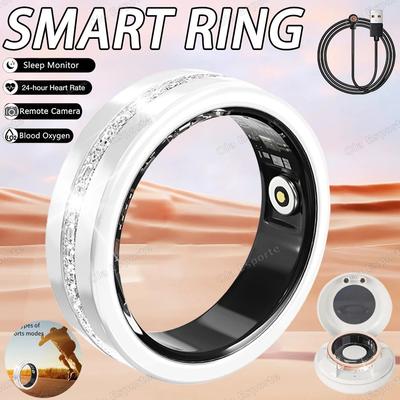
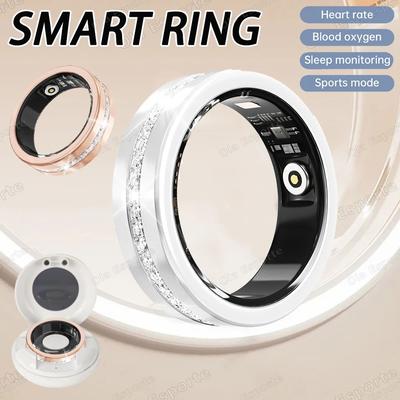
Uplift Treasures Fashion Smart Fitness Ring Heart Rate Pedometer Health Tracker black 9Product Description Combine style and wellness with this elegant smart fitness ring designed especially for everyday health tracking. Featuring heart rate monitoring, step counting, and sports activity tracking, this diamond style smart ring blends...33,97 $*Shipping: 0,00 $Secure redirect to the provider
-
Uplift Treasures Fashion Smart Fitness Ring Heart Rate Pedometer Health Tracker black 7Product Description Combine style and wellness with this elegant smart fitness ring designed especially for everyday health tracking. Featuring heart rate monitoring, step counting, and sports activity tracking, this diamond style smart ring blends...33,97 $*Shipping: 0,00 $Secure redirect to the provider
-
Uplift Treasures Fashion Smart Fitness Ring Heart Rate Pedometer Health Tracker black 10Product Description Combine style and wellness with this elegant smart fitness ring designed especially for everyday health tracking. Featuring heart rate monitoring, step counting, and sports activity tracking, this diamond style smart ring blends...33,97 $*Shipping: 0,00 $Secure redirect to the provider
-
Uplift Treasures Fashion Smart Fitness Ring Heart Rate Pedometer Health Tracker black 8Product Description Combine style and wellness with this elegant smart fitness ring designed especially for everyday health tracking. Featuring heart rate monitoring, step counting, and sports activity tracking, this diamond style smart ring blends...33,97 $*Shipping: 0,00 $Secure redirect to the provider
-
How is the epidermis supplied with nutrients?
The epidermis is supplied with nutrients through the process of diffusion from the underlying dermis. The dermis contains blood vessels that deliver oxygen and nutrients to the epidermal cells. These nutrients then diffuse through the basement membrane and into the epidermis, providing the necessary nourishment for the skin cells to function and regenerate. Additionally, the epidermis also receives nutrients from the external environment through the use of topical skincare products and a healthy diet. **
-
What is the function of the epidermis in the leaf?
The epidermis of a leaf serves as a protective layer that helps to prevent water loss and protect the leaf from physical damage and pathogens. It also contains specialized cells called guard cells that regulate the exchange of gases, such as carbon dioxide and oxygen, between the leaf and the surrounding environment through tiny openings called stomata. Additionally, the epidermis may also have specialized structures, such as trichomes, that provide further protection from herbivores and excessive sunlight. **
-
Why are there no chloroplasts in the epidermis of a leaf?
Chloroplasts are primarily found in the palisade and spongy mesophyll layers of a leaf, where they can efficiently carry out photosynthesis due to their proximity to light and air. The epidermis of a leaf is primarily responsible for protection and gas exchange, so it does not contain chloroplasts as they are not needed for these functions. Additionally, having chloroplasts in the epidermis could increase the risk of damage from external factors such as UV radiation or physical stress. **
-
What are the functions of the epidermis, dermis, and subcutaneous tissue?
The epidermis is the outermost layer of the skin and serves as a protective barrier against environmental factors, such as UV radiation, pathogens, and chemicals. It also helps regulate water loss and temperature. The dermis is the middle layer of the skin and contains blood vessels, nerves, hair follicles, and sweat glands. It provides structural support and elasticity to the skin, as well as housing important sensory receptors for touch, pressure, and pain. The subcutaneous tissue, also known as the hypodermis, is the deepest layer of the skin and consists of fat and connective tissue. It serves as insulation, energy storage, and cushioning for the body, as well as providing a connection between the skin and underlying muscles and bones. **
Similar search terms for Epidermis
-
Uplift Treasures Fashion Smart Fitness Ring Heart Rate Pedometer Health Tracker silver With Box 8Product Description Combine style and wellness with this elegant smart fitness ring designed especially for everyday health tracking. Featuring heart rate monitoring, step counting, and sports activity tracking, this diamond style smart ring blends...147,97 $*Shipping: 0,00 $Secure redirect to the provider
-
Uplift Treasures Fashion Smart Fitness Ring Heart Rate Pedometer Health Tracker silver With Box 9Product Description Combine style and wellness with this elegant smart fitness ring designed especially for everyday health tracking. Featuring heart rate monitoring, step counting, and sports activity tracking, this diamond style smart ring blends...147,97 $*Shipping: 0,00 $Secure redirect to the provider
-
Uplift Treasures Fashion Smart Fitness Ring Heart Rate Pedometer Health Tracker silver With Box 10Product Description Combine style and wellness with this elegant smart fitness ring designed especially for everyday health tracking. Featuring heart rate monitoring, step counting, and sports activity tracking, this diamond style smart ring blends...147,97 $*Shipping: 0,00 $Secure redirect to the provider
-
Uplift Treasures Fashion Smart Fitness Ring Heart Rate Pedometer Health Tracker silver With Box 7Product Description Combine style and wellness with this elegant smart fitness ring designed especially for everyday health tracking. Featuring heart rate monitoring, step counting, and sports activity tracking, this diamond style smart ring blends...147,97 $*Shipping: 0,00 $Secure redirect to the provider
-
What is the microscopic drawing of the lower epidermis of a cyclamen?
The microscopic drawing of the lower epidermis of a cyclamen would show a layer of cells with irregular shapes and sizes. The cells would have a smooth surface and may contain stomata, which are small openings that allow for gas exchange. The drawing would also likely show the presence of trichomes, which are hair-like structures that can help protect the plant from herbivores and reduce water loss. Overall, the microscopic drawing would reveal the complex and specialized structure of the lower epidermis that allows the cyclamen to thrive in its environment. **
-
How do the lower and upper epidermis of the grape leaf differ?
The lower epidermis of a grape leaf typically has more stomata, which are small openings that allow for gas exchange and transpiration. The upper epidermis, on the other hand, usually has fewer stomata. Additionally, the lower epidermis may have more trichomes, which are hair-like structures that can help protect the leaf from herbivores and reduce water loss. The upper epidermis is often more exposed to sunlight and therefore may have a thicker cuticle to help prevent water loss and protect against UV radiation. **
-
What is motion in nature and technology?
Motion in nature refers to the movement of objects or organisms from one place to another. This can include the movement of animals, the flow of water, or the orbit of planets around the sun. In technology, motion refers to the movement of mechanical parts, such as the rotation of gears in a machine or the movement of a robotic arm. Understanding motion in both nature and technology is important for fields such as physics, engineering, and biology, as it allows us to study and manipulate the movement of objects and organisms. **
-
What is Food Technology 2?
Food Technology 2 is an advanced course that builds upon the foundational knowledge and skills gained in Food Technology 1. It delves deeper into the principles of food science, food processing, and food safety, while also exploring advanced techniques in food production and preservation. Students in Food Technology 2 may have the opportunity to work on more complex projects, such as developing new food products or optimizing food manufacturing processes. Overall, the course aims to provide students with a more comprehensive understanding of the food industry and the technological advancements driving innovation in food production. **
* All prices are inclusive of VAT and, if applicable, plus shipping costs. The offer information is based on the details provided by the respective shop and is updated through automated processes. Real-time updates do not occur, so deviations can occur in individual cases. ** Note: Parts of this content were created by AI.