Buy getl.eu ?
We are moving the project
getl.eu .
Are you interested in purchasing the domain
getl.eu ?
domain@kv-gmbh.de · 0541-91531010
Buy getl.eu ?
Why can't we prevent earthquakes with today's technology?
Earthquakes are caused by the movement of tectonic plates beneath the Earth's surface, which is a natural and complex geological process. While we have advanced technology to monitor and predict earthquakes to some extent, we currently do not have the capability to prevent them from occurring. The immense forces involved in the Earth's crust shifting and the unpredictable nature of seismic activity make it extremely challenging to develop technology that can stop earthquakes from happening. Additionally, interfering with natural processes on such a large scale could have unintended consequences and potentially create more problems. **
What causes earthquakes?
Earthquakes are caused by the sudden release of energy in the Earth's crust. This release of energy is typically the result of the movement of tectonic plates, which are large sections of the Earth's crust that float on the semi-fluid asthenosphere beneath them. When these plates move past each other, they can become stuck and then suddenly release, causing seismic waves to propagate through the Earth, resulting in an earthquake. Other causes of earthquakes can include volcanic activity, landslides, and human activities such as mining or reservoir-induced seismicity. **

Similar search terms for Earthquakes
Top-Angebote
Products related to Earthquakes:
-
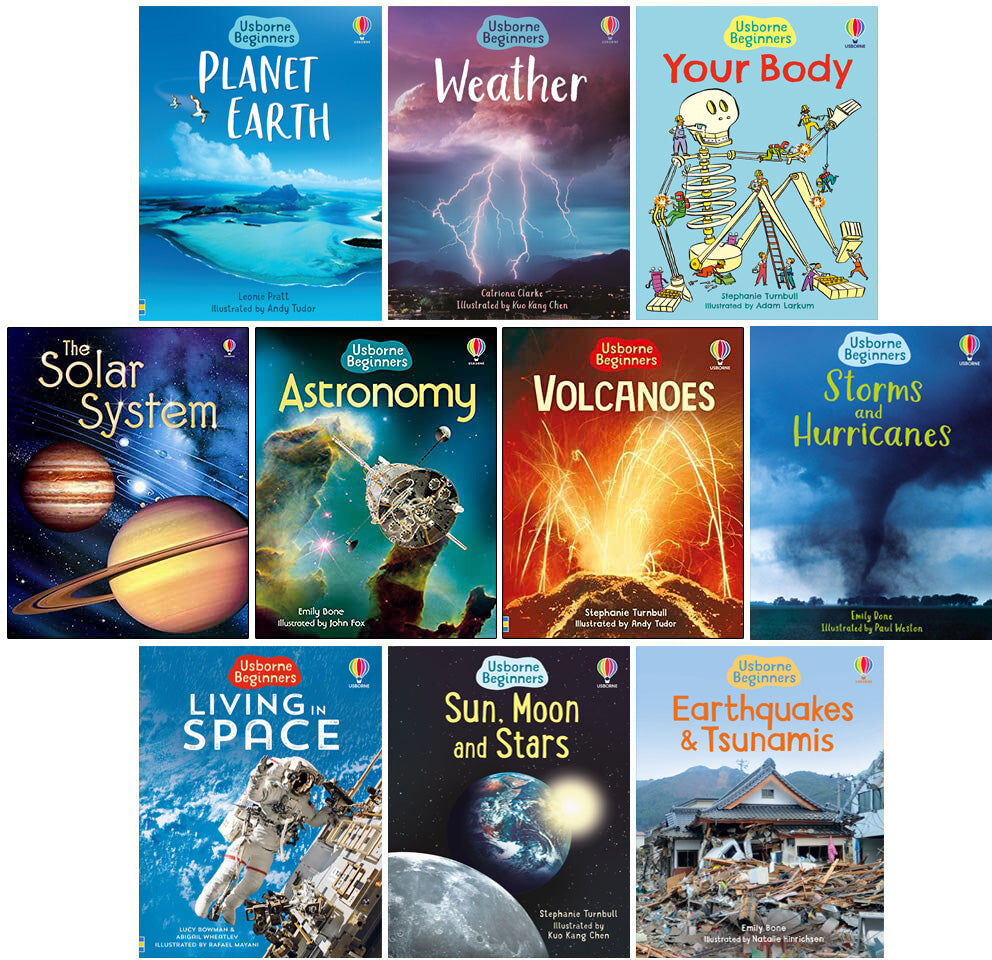
Usborne Beginners Science Series – 10 Book Classroom Set Primary School STEM & Nonfiction Learning Books (Includes Earthquakes & Tsunamis)Inspire curiosity and a love of learning with the Usborne Beginners Science Series – 10 Books Collection Set, created by Usborne. This engaging educational collection introduces young readers to fascinating science topics through clear explanations, vivid illustrations, and easy-to-read text. Covering subjects such as Earthquakes and Tsunamis, nature, space, and the world around us, these books make complex ideas accessible and exciting. Designed for independent readers and classroom use, the Usborne Beginners series supports early STEM learning, reading confidence, and general knowledge development. Why Parents & Teachers Love This Collection: 10 engaging science books for children Covers key topics including Earthquakes & Tsunamis Easy-to-read format ideal for beginners Bright illustrations and simple explanations Perfect for ages 6–10 and early learners A fantastic introduction to science, the Usborne Beginners Collection helps children explore, question, and understand the world around them. Earthquakes and Tsunamis This is a fantastic addition to the popular Beginners series, providing an informative introduction to the fascinating world of earthquakes for young readers. There are clear explanations of the science behind different types of earthquakes and their effects, including tsunamis and landslides. This title features real-life earthquakes, and describes how people are kept safe and rescued when disaster strikes. Striking colour photographs and step-by-step illustrations engage readers with the subject matter. This title is developed with a reading expert from Roehampton University to help young readers grow in confidence. Sun Moon and Stars What is the Sun made of? How did astronauts get to the Moon and what did they find there? For children beginning to read on their own, this book is an exciting introduction to space. Includes vivid, full colour illustrations and photographs on every page, and easy-to-read text specially written with the help of a reading expert Living in Space How do astronauts travel into space? Where do they live when they get there? What do they do all day? In this book you'll find the answers and lots more amazing facts about living in space. This non-fiction series aims to encourage children to access the wonder of the world around them. The easy-to-read text has been specially written with the help of a reading expert Storms and Hurricanes How do astronauts travel into space? Where do they live when they get there? What do they do all day? In this book you'll find the answers and lots more amazing facts about living in space. This non-fiction series aims to encourage children to access the wonder of the world around them. The easy-to-read text has been specially written with the help of a reading expert Volcanoes An introduction to earthquakes and volcanoes. The sensational images combine with lively text, amazing facts, diagrams and a comprehensive glossary Astronomy A straightforward book telling...17,99 £*Shipping: 2,99 £Secure redirect to the provider
-
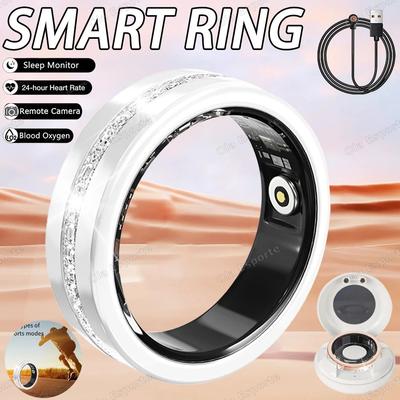
Uplift Treasures Fashion Smart Fitness Ring Heart Rate Pedometer Health Tracker black 9Product Description Combine style and wellness with this elegant smart fitness ring designed especially for everyday health tracking. Featuring heart rate monitoring, step counting, and sports activity tracking, this diamond style smart ring blends...33,97 $*Shipping: 0,00 $Secure redirect to the provider
-
Uplift Treasures Fashion Smart Fitness Ring Heart Rate Pedometer Health Tracker black 7Product Description Combine style and wellness with this elegant smart fitness ring designed especially for everyday health tracking. Featuring heart rate monitoring, step counting, and sports activity tracking, this diamond style smart ring blends...33,97 $*Shipping: 0,00 $Secure redirect to the provider
-
Uplift Treasures Fashion Smart Fitness Ring Heart Rate Pedometer Health Tracker black 10Product Description Combine style and wellness with this elegant smart fitness ring designed especially for everyday health tracking. Featuring heart rate monitoring, step counting, and sports activity tracking, this diamond style smart ring blends...33,97 $*Shipping: 0,00 $Secure redirect to the provider




-
How do earthquakes occur?
Earthquakes occur when there is a sudden release of energy in the Earth's crust, typically caused by the movement of tectonic plates. The Earth's crust is made up of several large plates that float on the semi-fluid mantle beneath them. When these plates shift or collide, they can create stress and pressure that eventually leads to an earthquake. The release of this energy sends seismic waves through the Earth, causing the ground to shake. **
-
Do earthquakes make noise?
Yes, earthquakes can make noise. The noise is typically caused by the movement of the Earth's crust and the release of energy along the fault lines. This can result in a variety of sounds, including rumbling, cracking, and even roaring. However, the noise from an earthquake may not always be audible to humans, especially if the earthquake is deep underground or if the epicenter is far away. **
-
Are there earthquakes in Germany?
Yes, Germany does experience earthquakes, but they are relatively rare and usually of low to moderate magnitude. The most seismically active areas in Germany are in the southwest, near the border with France, and in the southeast, near the border with the Czech Republic. While the frequency and intensity of earthquakes in Germany are not as high as in some other regions of the world, the country does have a history of seismic activity. **
-
Do you believe that the earthquakes in Turkey were caused by HAARP technology?
No, there is no scientific evidence to support the claim that the earthquakes in Turkey were caused by HAARP technology. Earthquakes are natural geological events that occur due to the movement of tectonic plates beneath the Earth's surface. HAARP (High-Frequency Active Auroral Research Program) is a research program that studies the Earth's ionosphere and has not been proven to have the capability to cause earthquakes. It is important to rely on credible sources and scientific explanations when discussing natural disasters. **

Can artificial earthquakes be created nowadays?
Yes, artificial earthquakes can be created nowadays through a process known as induced seismicity. This can occur as a result of human activities such as mining, reservoir-induced seismicity from filling large reservoirs, or hydraulic fracturing (fracking) for oil and gas extraction. While these induced earthquakes are typically smaller in magnitude than natural earthquakes, they can still pose risks to infrastructure and communities in the affected areas. Efforts are being made to better understand and mitigate the risks associated with induced seismicity. **
Were there tsunamis after the earthquakes?
Yes, tsunamis were triggered by the earthquakes. The seismic activity caused the displacement of large volumes of water, resulting in powerful and destructive tsunamis that struck coastal areas. The combination of the earthquakes and subsequent tsunamis led to widespread devastation and loss of life in the affected regions. **
Top-Angebote
Products related to Earthquakes:
-
Usborne Beginners Science 10 Book Collection Earthquakes & Tsunamis - Ages 5-7 - PaperbackTitles in this set: Earthquakes & Tsunamis Sun Moon and Stars Living in Space Storms and Hurricanes Volcanoes Astronomy The Solar System Your Body Planet Earth Weather Earthquakes & Tsunamis This is a fantastic addition to the popular Beginners series, providing an informative introduction to the fascinating world of earthquakes for young readers. There are clear explanations of the science behind different types of earthquakes and their effects, including tsunamis and landslides. This title features real-life earthquakes, and describes how people are kept safe and rescued when disaster strikes. Striking colour photographs and step-by-step illustrations engage readers with the subject matter. This title is developed with a reading expert from Roehampton University to help young readers grow in confidence Sun, Moon and Stars What is the Sun made of? How did astronauts get to the Moon and what did they find there? For children beginning to read on their own, this book is an exciting introduction to space. Includes vivid, full colour illustrations and photographs on every page, and easy-to-read text specially written with the help of a reading expert Living in Space How do astronauts travel into space? Where do they live when they get there? What do they do all day? In this book you'll find the answers and lots more amazing facts about living in space. This non-fiction series aims to encourage children to access the wonder of the world around them. The easy-to-read text has been specially written with the help of a reading expert Storms and Hurricanes How do astronauts travel into space? Where do they live when they get there? What do they do all day? In this book you'll find the answers and lots more amazing facts about living in space. This non-fiction series aims to encourage children to access the wonder of the world around them. The easy-to-read text has been specially written with the help of a reading expert Volcanoes Did you know that somewhere in the world a volcano is erupting right now? In this fascinating book you can read about amazing eruptions and find out about fiery lava rivers, deadly ash clouds, steaming springs and much more. Astronomy A straightforward book telling you all a beginner needs to know about the planets, stars, moons, nebulae, galaxies, asteroids and more, through easy-to-read text, full-colour photographs and step-by-step visual explanations. Recommended websites accessed via Usborne Quicklinks provide further online resources. The Solar System What is the surface of Mars like? Why does Venus glow in the dark? How do scientists explore faraway planets? Beginner readers can find answers to these questions and more in this colourful information book. Your Body Have you ever wondered what's inside you? Take a tour around your amazing body and find out what your heart and lungs do, how you see and hear, where food goes and lots more. Planet Earth What makes planet Earth so special? It's the only planet to have anything...12,99 £*Shipping: 2,99 £Secure redirect to the provider
-
Usborne Beginners Series Science 10 Books Set Children’s Educational Books (Includes Earthquakes & Tsunamis) - NEW HARDCOVERUsborne - Beginner's Science Collection - 10 Books Set Inspire curiosity and a love of learning with the Usborne Beginners Science Series – 10 Books Collection Set, created by Usborne. This engaging educational collection introduces young readers to fascinating science topics through clear explanations, vivid illustrations, and easy-to-read text. Covering subjects such as Earthquakes and Tsunamis, nature, space, and the world around us, these books make complex ideas accessible and exciting. Designed for independent readers and classroom use, the Usborne Beginners series supports early STEM learning, reading confidence, and general knowledge development. Why Parents & Teachers Love This Collection: 10 engaging science books for children Covers key topics including Earthquakes & Tsunamis Easy-to-read format ideal for beginners Bright illustrations and simple explanations Perfect for ages 6–10 and early learners A fantastic introduction to science, the Usborne Beginners Collection helps children explore, question, and understand the world around them. Earthquakes and Tsunamis This is a fantastic addition to the popular Beginners series, providing an informative introduction to the fascinating world of earthquakes for young readers. There are clear explanations of the science behind different types of earthquakes and their effects, including tsunamis and landslides. This title features real-life earthquakes, and describes how people are kept safe and rescued when disaster strikes. Striking colour photographs and step-by-step illustrations engage readers with the subject matter. This title is developed with a reading expert from Roehampton University to help young readers grow in confidence. Sun Moon and Stars What is the Sun made of? How did astronauts get to the Moon and what did they find there? For children beginning to read on their own, this book is an exciting introduction to space. Includes vivid, full colour illustrations and photographs on every page, and easy-to-read text specially written with the help of a reading expert Living in Space How do astronauts travel into space? Where do they live when they get there? What do they do all day? In this book you'll find the answers and lots more amazing facts about living in space. This non-fiction series aims to encourage children to access the wonder of the world around them. The easy-to-read text has been specially written with the help of a reading expert Storms and Hurricanes How do astronauts travel into space? Where do they live when they get there? What do they do all day? In this book you'll find the answers and lots more amazing facts about living in space. This non-fiction series aims to encourage children to access the wonder of the world around them. The easy-to-read text has been specially written with the help of a reading expert Volcanoes An introduction to earthquakes and volcanoes. The sensational images combine with lively text, amazing facts, diagrams and a...17,99 £*Shipping: 2,99 £Secure redirect to the provider
-
Usborne Beginners Science Series – 10 Book Classroom Set Primary School STEM & Nonfiction Learning Books (Includes Earthquakes & Tsunamis)Inspire curiosity and a love of learning with the Usborne Beginners Science Series – 10 Books Collection Set, created by Usborne. This engaging educational collection introduces young readers to fascinating science topics through clear explanations, vivid illustrations, and easy-to-read text. Covering subjects such as Earthquakes and Tsunamis, nature, space, and the world around us, these books make complex ideas accessible and exciting. Designed for independent readers and classroom use, the Usborne Beginners series supports early STEM learning, reading confidence, and general knowledge development. Why Parents & Teachers Love This Collection: 10 engaging science books for children Covers key topics including Earthquakes & Tsunamis Easy-to-read format ideal for beginners Bright illustrations and simple explanations Perfect for ages 6–10 and early learners A fantastic introduction to science, the Usborne Beginners Collection helps children explore, question, and understand the world around them. Earthquakes and Tsunamis This is a fantastic addition to the popular Beginners series, providing an informative introduction to the fascinating world of earthquakes for young readers. There are clear explanations of the science behind different types of earthquakes and their effects, including tsunamis and landslides. This title features real-life earthquakes, and describes how people are kept safe and rescued when disaster strikes. Striking colour photographs and step-by-step illustrations engage readers with the subject matter. This title is developed with a reading expert from Roehampton University to help young readers grow in confidence. Sun Moon and Stars What is the Sun made of? How did astronauts get to the Moon and what did they find there? For children beginning to read on their own, this book is an exciting introduction to space. Includes vivid, full colour illustrations and photographs on every page, and easy-to-read text specially written with the help of a reading expert Living in Space How do astronauts travel into space? Where do they live when they get there? What do they do all day? In this book you'll find the answers and lots more amazing facts about living in space. This non-fiction series aims to encourage children to access the wonder of the world around them. The easy-to-read text has been specially written with the help of a reading expert Storms and Hurricanes How do astronauts travel into space? Where do they live when they get there? What do they do all day? In this book you'll find the answers and lots more amazing facts about living in space. This non-fiction series aims to encourage children to access the wonder of the world around them. The easy-to-read text has been specially written with the help of a reading expert Volcanoes An introduction to earthquakes and volcanoes. The sensational images combine with lively text, amazing facts, diagrams and a comprehensive glossary Astronomy A straightforward book telling...17,99 £*Shipping: 2,99 £Secure redirect to the provider
-
Uplift Treasures Fashion Smart Fitness Ring Heart Rate Pedometer Health Tracker black 9Product Description Combine style and wellness with this elegant smart fitness ring designed especially for everyday health tracking. Featuring heart rate monitoring, step counting, and sports activity tracking, this diamond style smart ring blends...33,97 $*Shipping: 0,00 $Secure redirect to the provider
-
Why can't we prevent earthquakes with today's technology?
Earthquakes are caused by the movement of tectonic plates beneath the Earth's surface, which is a natural and complex geological process. While we have advanced technology to monitor and predict earthquakes to some extent, we currently do not have the capability to prevent them from occurring. The immense forces involved in the Earth's crust shifting and the unpredictable nature of seismic activity make it extremely challenging to develop technology that can stop earthquakes from happening. Additionally, interfering with natural processes on such a large scale could have unintended consequences and potentially create more problems. **
-
What causes earthquakes?
Earthquakes are caused by the sudden release of energy in the Earth's crust. This release of energy is typically the result of the movement of tectonic plates, which are large sections of the Earth's crust that float on the semi-fluid asthenosphere beneath them. When these plates move past each other, they can become stuck and then suddenly release, causing seismic waves to propagate through the Earth, resulting in an earthquake. Other causes of earthquakes can include volcanic activity, landslides, and human activities such as mining or reservoir-induced seismicity. **
-
How do earthquakes occur?
Earthquakes occur when there is a sudden release of energy in the Earth's crust, typically caused by the movement of tectonic plates. The Earth's crust is made up of several large plates that float on the semi-fluid mantle beneath them. When these plates shift or collide, they can create stress and pressure that eventually leads to an earthquake. The release of this energy sends seismic waves through the Earth, causing the ground to shake. **
-
Do earthquakes make noise?
Yes, earthquakes can make noise. The noise is typically caused by the movement of the Earth's crust and the release of energy along the fault lines. This can result in a variety of sounds, including rumbling, cracking, and even roaring. However, the noise from an earthquake may not always be audible to humans, especially if the earthquake is deep underground or if the epicenter is far away. **
Similar search terms for Earthquakes
-
Uplift Treasures Fashion Smart Fitness Ring Heart Rate Pedometer Health Tracker black 7Product Description Combine style and wellness with this elegant smart fitness ring designed especially for everyday health tracking. Featuring heart rate monitoring, step counting, and sports activity tracking, this diamond style smart ring blends...33,97 $*Shipping: 0,00 $Secure redirect to the provider
-
Uplift Treasures Fashion Smart Fitness Ring Heart Rate Pedometer Health Tracker black 10Product Description Combine style and wellness with this elegant smart fitness ring designed especially for everyday health tracking. Featuring heart rate monitoring, step counting, and sports activity tracking, this diamond style smart ring blends...33,97 $*Shipping: 0,00 $Secure redirect to the provider
-
Uplift Treasures Fashion Smart Fitness Ring Heart Rate Pedometer Health Tracker black 8Product Description Combine style and wellness with this elegant smart fitness ring designed especially for everyday health tracking. Featuring heart rate monitoring, step counting, and sports activity tracking, this diamond style smart ring blends...33,97 $*Shipping: 0,00 $Secure redirect to the provider
-
Uplift Treasures Fashion Smart Fitness Ring Heart Rate Pedometer Health Tracker silver With Box 8Product Description Combine style and wellness with this elegant smart fitness ring designed especially for everyday health tracking. Featuring heart rate monitoring, step counting, and sports activity tracking, this diamond style smart ring blends...147,97 $*Shipping: 0,00 $Secure redirect to the provider
-
Are there earthquakes in Germany?
Yes, Germany does experience earthquakes, but they are relatively rare and usually of low to moderate magnitude. The most seismically active areas in Germany are in the southwest, near the border with France, and in the southeast, near the border with the Czech Republic. While the frequency and intensity of earthquakes in Germany are not as high as in some other regions of the world, the country does have a history of seismic activity. **
-
Do you believe that the earthquakes in Turkey were caused by HAARP technology?
No, there is no scientific evidence to support the claim that the earthquakes in Turkey were caused by HAARP technology. Earthquakes are natural geological events that occur due to the movement of tectonic plates beneath the Earth's surface. HAARP (High-Frequency Active Auroral Research Program) is a research program that studies the Earth's ionosphere and has not been proven to have the capability to cause earthquakes. It is important to rely on credible sources and scientific explanations when discussing natural disasters. **
-
Can artificial earthquakes be created nowadays?
Yes, artificial earthquakes can be created nowadays through a process known as induced seismicity. This can occur as a result of human activities such as mining, reservoir-induced seismicity from filling large reservoirs, or hydraulic fracturing (fracking) for oil and gas extraction. While these induced earthquakes are typically smaller in magnitude than natural earthquakes, they can still pose risks to infrastructure and communities in the affected areas. Efforts are being made to better understand and mitigate the risks associated with induced seismicity. **
-
Were there tsunamis after the earthquakes?
Yes, tsunamis were triggered by the earthquakes. The seismic activity caused the displacement of large volumes of water, resulting in powerful and destructive tsunamis that struck coastal areas. The combination of the earthquakes and subsequent tsunamis led to widespread devastation and loss of life in the affected regions. **
* All prices are inclusive of VAT and, if applicable, plus shipping costs. The offer information is based on the details provided by the respective shop and is updated through automated processes. Real-time updates do not occur, so deviations can occur in individual cases. ** Note: Parts of this content were created by AI.