Buy getl.eu ?
We are moving the project
getl.eu .
Are you interested in purchasing the domain
getl.eu ?
domain@kv-gmbh.de · 0541-91531010
Buy getl.eu ?
What is the difference between abstraction and non-representation in art?
Abstraction in art involves simplifying or distorting the representation of real objects or scenes, often to the point of being unrecognizable. It focuses on conveying emotions, ideas, or concepts through the use of color, form, and composition. On the other hand, non-representation in art refers to the complete absence of recognizable objects or scenes. It involves creating art that does not depict anything from the real world and instead focuses on purely abstract or non-representational forms, shapes, and colors. In summary, abstraction involves a distorted representation of real objects, while non-representation involves the absence of recognizable objects altogether. **
Abstraction or alienation?
Abstraction and alienation are two different concepts. Abstraction refers to the process of simplifying or generalizing something, often to understand it better or to represent it in a more basic form. On the other hand, alienation refers to the feeling of being isolated or disconnected from others or from society. While abstraction can be a useful tool for understanding complex ideas, alienation can be a negative experience that can lead to feelings of loneliness and disconnection. It's important to be mindful of the potential effects of both abstraction and alienation in different contexts. **


Similar search terms for DESIGN-ART-Designart-Abstraction
Top-Angebote
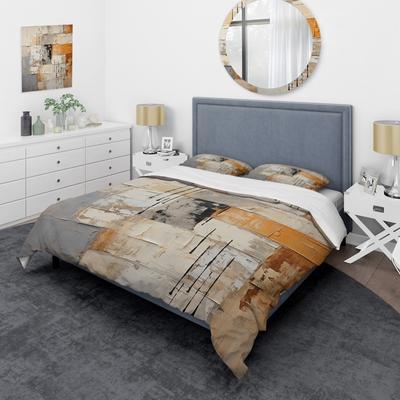
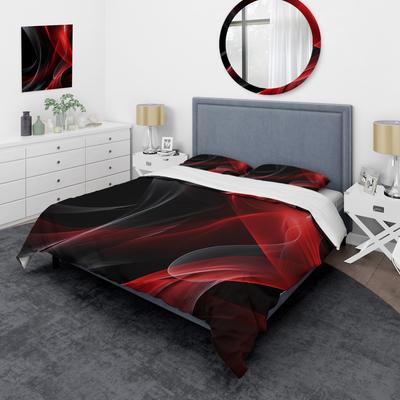
Products related to DESIGN-ART-Designart-Abstraction:


-
What are the differences between art design and industrial design?
Art design focuses on creating visually appealing and expressive works of art that evoke emotions and convey messages. It is often more subjective and open to interpretation. On the other hand, industrial design is more functional and practical, focusing on creating products that are user-friendly, efficient, and aesthetically pleasing. Industrial design also considers factors such as production processes, materials, and market demands. Overall, while art design is more about creativity and self-expression, industrial design is more about problem-solving and meeting specific user needs. **
-
Is art necessary for a future art or design study?
Art is essential for a future art or design study as it provides a foundation for creativity, critical thinking, and visual communication skills. Studying art allows individuals to develop their artistic abilities, explore different techniques and mediums, and gain a deeper understanding of art history and theory. Additionally, art helps students cultivate their unique artistic voice and perspective, which are crucial for success in a future art or design career. **
-
What is a design concept in art?
A design concept in art refers to the underlying idea or theme that guides the creation of a piece of artwork. It serves as the foundation for the artistic decisions made by the artist, influencing elements such as composition, color palette, and overall aesthetic. Design concepts can be inspired by various sources, such as emotions, nature, or cultural influences, and help to convey a specific message or evoke a particular feeling in the viewer. Ultimately, the design concept is what ties the artwork together and gives it coherence and meaning. **
-
How to design the background in art?
When designing the background in art, it's important to consider the overall composition and balance of the piece. Start by choosing a color palette that complements the subject and creates the desired mood. Consider using techniques such as layering, texture, and perspective to add depth and interest to the background. Additionally, think about the level of detail and focus in the background compared to the main subject, ensuring that it enhances the overall visual impact of the artwork. **


What is the difference between design and art?
Design is typically focused on solving a specific problem or meeting a particular need, often with a practical or functional purpose in mind. It involves creating something with a specific goal in mind, such as a product or system. Art, on the other hand, is more about self-expression, creativity, and evoking emotions or ideas. It is often more open to interpretation and can be created for the sake of beauty or expression rather than a specific function. While both design and art involve creativity and skill, the main difference lies in their intended purpose and outcome. **
Is it worthwhile to study design or art?
Studying design or art can be worthwhile for those who have a passion for creativity and visual expression. It can lead to fulfilling careers in fields such as graphic design, fashion design, interior design, and fine arts. Additionally, studying design or art can help individuals develop critical thinking, problem-solving, and communication skills that are valuable in many industries. However, it's important to consider personal interests and career goals before pursuing a degree in design or art. **
Top-Angebote
Products related to DESIGN-ART-Designart-Abstraction:
-
What is the difference between abstraction and non-representation in art?
Abstraction in art involves simplifying or distorting the representation of real objects or scenes, often to the point of being unrecognizable. It focuses on conveying emotions, ideas, or concepts through the use of color, form, and composition. On the other hand, non-representation in art refers to the complete absence of recognizable objects or scenes. It involves creating art that does not depict anything from the real world and instead focuses on purely abstract or non-representational forms, shapes, and colors. In summary, abstraction involves a distorted representation of real objects, while non-representation involves the absence of recognizable objects altogether. **
-
Abstraction or alienation?
Abstraction and alienation are two different concepts. Abstraction refers to the process of simplifying or generalizing something, often to understand it better or to represent it in a more basic form. On the other hand, alienation refers to the feeling of being isolated or disconnected from others or from society. While abstraction can be a useful tool for understanding complex ideas, alienation can be a negative experience that can lead to feelings of loneliness and disconnection. It's important to be mindful of the potential effects of both abstraction and alienation in different contexts. **
-
What are the differences between art design and industrial design?
Art design focuses on creating visually appealing and expressive works of art that evoke emotions and convey messages. It is often more subjective and open to interpretation. On the other hand, industrial design is more functional and practical, focusing on creating products that are user-friendly, efficient, and aesthetically pleasing. Industrial design also considers factors such as production processes, materials, and market demands. Overall, while art design is more about creativity and self-expression, industrial design is more about problem-solving and meeting specific user needs. **
-
Is art necessary for a future art or design study?
Art is essential for a future art or design study as it provides a foundation for creativity, critical thinking, and visual communication skills. Studying art allows individuals to develop their artistic abilities, explore different techniques and mediums, and gain a deeper understanding of art history and theory. Additionally, art helps students cultivate their unique artistic voice and perspective, which are crucial for success in a future art or design career. **
Similar search terms for DESIGN-ART-Designart-Abstraction
-
What is a design concept in art?
A design concept in art refers to the underlying idea or theme that guides the creation of a piece of artwork. It serves as the foundation for the artistic decisions made by the artist, influencing elements such as composition, color palette, and overall aesthetic. Design concepts can be inspired by various sources, such as emotions, nature, or cultural influences, and help to convey a specific message or evoke a particular feeling in the viewer. Ultimately, the design concept is what ties the artwork together and gives it coherence and meaning. **
-
How to design the background in art?
When designing the background in art, it's important to consider the overall composition and balance of the piece. Start by choosing a color palette that complements the subject and creates the desired mood. Consider using techniques such as layering, texture, and perspective to add depth and interest to the background. Additionally, think about the level of detail and focus in the background compared to the main subject, ensuring that it enhances the overall visual impact of the artwork. **
-
What is the difference between design and art?
Design is typically focused on solving a specific problem or meeting a particular need, often with a practical or functional purpose in mind. It involves creating something with a specific goal in mind, such as a product or system. Art, on the other hand, is more about self-expression, creativity, and evoking emotions or ideas. It is often more open to interpretation and can be created for the sake of beauty or expression rather than a specific function. While both design and art involve creativity and skill, the main difference lies in their intended purpose and outcome. **
-
Is it worthwhile to study design or art?
Studying design or art can be worthwhile for those who have a passion for creativity and visual expression. It can lead to fulfilling careers in fields such as graphic design, fashion design, interior design, and fine arts. Additionally, studying design or art can help individuals develop critical thinking, problem-solving, and communication skills that are valuable in many industries. However, it's important to consider personal interests and career goals before pursuing a degree in design or art. **
* All prices are inclusive of VAT and, if applicable, plus shipping costs. The offer information is based on the details provided by the respective shop and is updated through automated processes. Real-time updates do not occur, so deviations can occur in individual cases. ** Note: Parts of this content were created by AI.