Buy getl.eu ?
We are moving the project
getl.eu .
Are you interested in purchasing the domain
getl.eu ?
domain@kv-gmbh.de · 0541-91531010
Buy getl.eu ?
Which plants from nature are suitable for the aquarium?
There are several plants from nature that are suitable for the aquarium, including Java fern, Anubias, Amazon sword, and Vallisneria. These plants are popular choices for aquariums because they are relatively easy to care for and can thrive in the aquatic environment. Additionally, they provide natural filtration, oxygenation, and hiding places for fish, making them beneficial for the overall health of the aquarium ecosystem. It's important to research the specific needs of each plant and ensure they are compatible with the fish and other inhabitants of the aquarium. **
What are cruciferous plants, mint family plants, and leguminous plants?
Cruciferous plants are a group of vegetables that belong to the Brassicaceae family, including broccoli, cauliflower, cabbage, and kale. Mint family plants, also known as Lamiaceae family, include herbs like mint, basil, rosemary, and oregano. Leguminous plants are members of the Fabaceae family and are known for their ability to fix nitrogen in the soil, including beans, peas, lentils, and peanuts. Each of these plant families includes a variety of edible plants that are commonly used in cooking and gardening. **
Similar search terms for Plants
Top-Angebote
Products related to Plants:
-
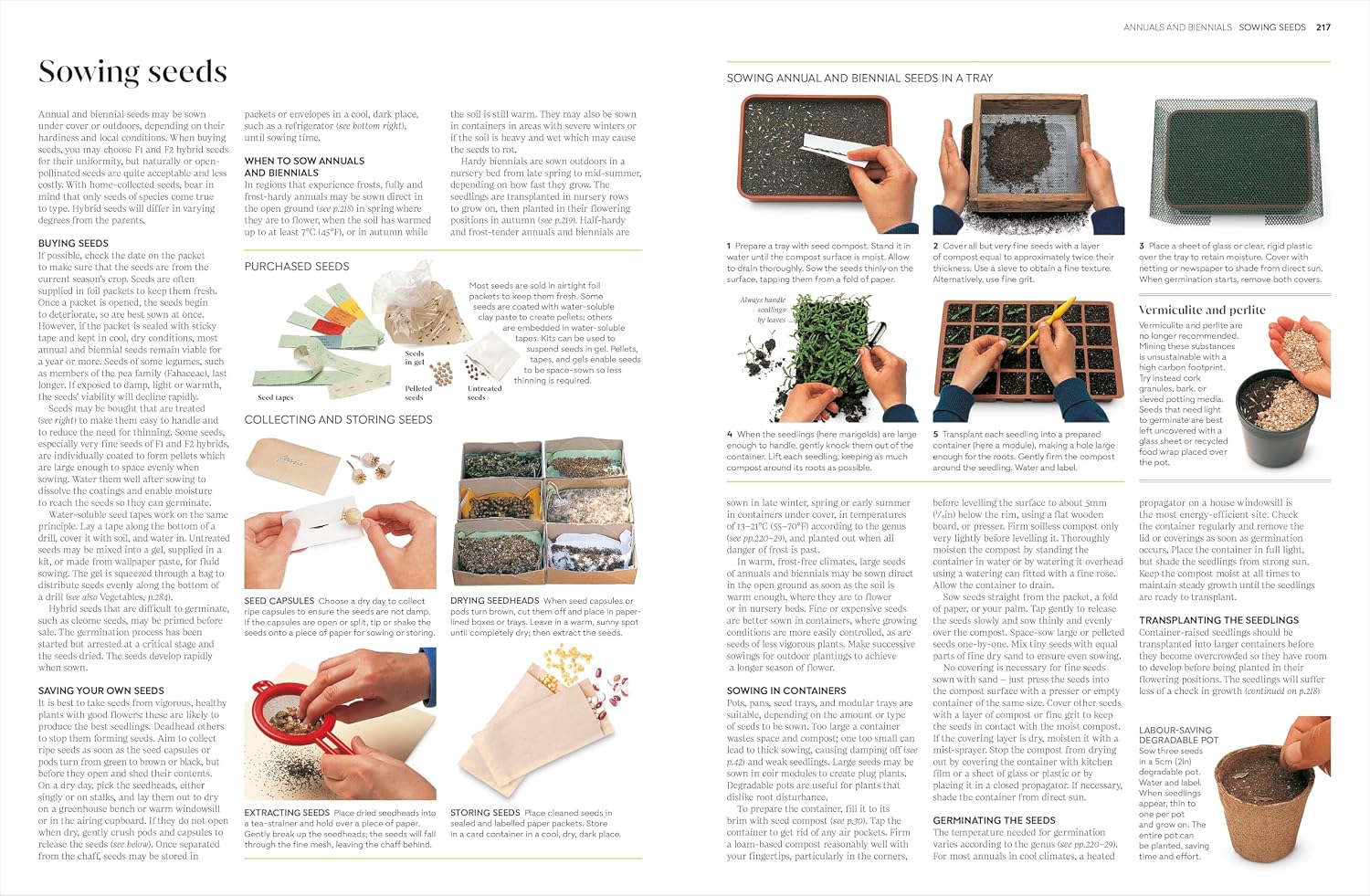
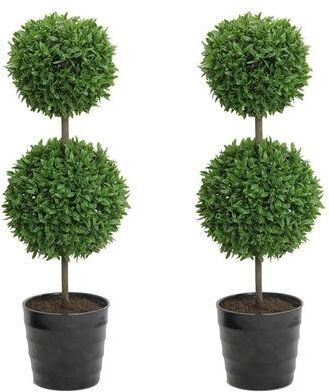
Admired by Nature GTR7681-GREEN-2 18 Inch Artificial Boxwood Topiary Plants - 2 Ball-Shape Faux TopiariesBring the beauty of gardening to your room, home office or restaurant. Perfect for tabletop display. This 18 inches artificial 2 ball-shaped boxwood topiary requires no trimming and watering all year long!75,17 $*Shipping: 0,00 $Secure redirect to the provider
-
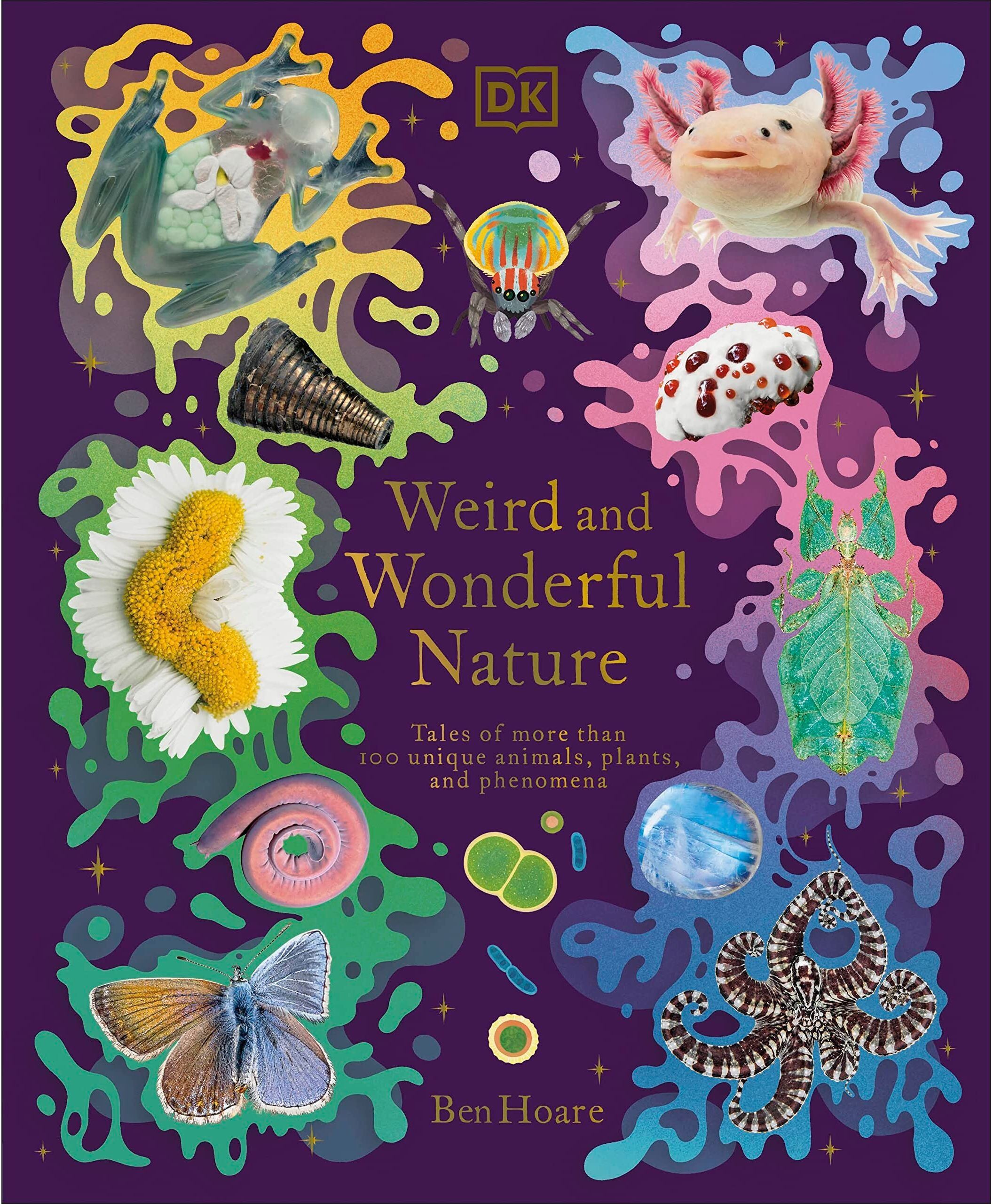
DK Children Weird and Wonderful Nature: Tales of More Than 100 Unique Animals, Plants, and Phenomena (DK Treasures)Enjoy more than 100 extraordinary stories of unusual species, behaviours, and objects all told by author Ben Hoare. Why do Mexican jumping beans jump? How do sea cucumbers defend themselves? What causes the northern lights? This book is filled with facts about the most surprising and curious plants, animals, rocks, and phenomena in nature. Children aged 7-9 can read stories of more than one hundred unique animals, plants and phenomena and learn about the weird and wonderful side of the natural world. Weird and Wonderful Nature is the third installment of the DK Treasure's series, exploring the many bizarre animals and plants that are uniquely adapted to their way of life. This fascinating nature book for kids offers: - Facts from a range of topics, from animals to plants and rocks to natural phenomena, that are guaranteed to wow adults and children alike. - Large photographs that show each species or item in incredible detail, with diagrams help to support understanding. - A gold foil cover and beautiful illustrations, making this book an ideal gift for young nature lovers. In Weird and Wonderful Nature, Ben Hoare's friendly, informative explanations are paired with photographs and charming illustrations to make sure every page captivates the imagination, while a glossary and index help to navigate the chapters. The third title by best selling author Ben Hoare, after Nature's Treasures and The Secret World of Plants, this is the ideal gift book series that will be treasured for years to come. More in the SeriesWeird and Wonderful Nature is part of DK's Treasure's series. Complete the series and inspire your child's curiosity in natural world with Nature's Treasures, or bring out their inner botanist with The Secret World of Plants.12,99 £*Shipping: 2,99 £Secure redirect to the provider
-
BBC Books RHS How to Garden 3 Book Set – Perennial Plants, Grow Food for Free & Gardening Guide CollectionHow to Garden Perennial Garden Plants, RHS How To Garden (HB), Grow Food for Free (HB) 3 Books Collection Set Alan Titchmarsh How to Garden: Perennial Garden Plants Herbaceous perennials flower each year, dying down in the winter and springing back to life the following spring. They are central features in the landscape of a garden as they appear year-after-year and must be regarded as constant features. This book gives the expert view on the vast array of flowers available. Includes: creative garden ideas and border planting plans practical advice on care, maintenance and propagation illustrated A-Z profiles of recommended plants recommended plants for specific purposes, conditions and effects step-by-step illustrations showing essential techniques Alan Titchmarsh imparts a lifetime of expertise in these definitive guides for beginners and experienced gardeners. Step-by-step illustrations and easy-to-follow instructions guide you through the basic gardening skills and on to the advanced techniques, providing everything you need to create beautiful flower borders in your garden. RHS How To Garden When You're New To Gardening: The Basics For Absolute Beginners (Hardback) If the desire to start a garden has been planted in your heart, then this essential guide is a wonderful companion to accompany you on your new adventure! If you're not sure of the first steps to take, this handbook takes the anxiety out of plotting and planting and equips you with all the know-how and confidence you need to get digging into your garden. Creating a garden that you can enjoy and keep looking beautiful all year round is easier than you think!With the expertise of the Royal Horticultural Society, you'll find simple step-by-step instructions, with clear images to help you create your dream garden, no matter the size and scale. Get to know your garden and choose plants that will grow well in particular soil types and conditions year after year. From growing root crop to cutting back ivy, this book gives you lots of simple garden ideas and projects that you can do yourself. Even if you've never sowed a seed or pulled a weed, RHS How to Garden When You're New To Gardening contains everything you need to kickstart your new outdoor hobby! This refreshingly accessible book is perfect for the novice gardener who wants to make the most of whatever garden they have. Your Guide to Creating the Garden of Your Dreams Do you want to create a garden you can show off with pride? Would you like to grow your own food? This book will get you started quickly! By following the simple steps and projects outlined in this book, you will reap instant rewards and long-term successes so that you can enjoy your garden in all seasons. Inside the pages of this comprehensive gardening book, you'll discover: - Clear definitions and descriptions of the different types of plants. - Tips on choosing the type of garden you want. - Easy-to-follow instructions for choosing the right plants for your soil....14,99 £*Shipping: 2,99 £Secure redirect to the provider

-
How long can carnivorous plants survive without food?
Carnivorous plants can survive for varying lengths of time without catching and consuming prey. Some species, such as the Venus flytrap, can survive for several weeks to a few months without catching insects, as they are able to derive some nutrients from the soil. However, prolonged periods without food can weaken the plant and affect its overall health and ability to photosynthesize. It is important for carnivorous plants to regularly catch and consume prey in order to thrive and maintain their unique adaptations for nutrient acquisition. **
-
Why do plants grow in nature under the worst conditions alone, but when humans grow plants, they need something?
Plants in nature have evolved to adapt and survive in harsh conditions through natural selection. They have developed mechanisms to obtain water, nutrients, and sunlight from their environment. However, when humans grow plants, they are often placed in artificial environments such as pots or gardens, where the natural resources may be limited. Therefore, humans need to provide plants with the necessary water, nutrients, and sunlight to ensure their growth and survival. Additionally, in nature, plants may also have access to a diverse range of microorganisms and beneficial insects that help support their growth, which may not be present in human-controlled environments. **
-
What impact do food shortages have on hedge plants?
Food shortages can have a significant impact on hedge plants as they rely on nutrients from the soil to grow and thrive. Without sufficient nutrients, hedge plants may experience stunted growth, reduced foliage, and overall weakened health. This can make them more susceptible to diseases and pest infestations, and may also affect their ability to provide the desired privacy and aesthetic appeal. Additionally, food shortages can hinder the hedge plants' ability to recover from pruning or environmental stress, further compromising their overall health and vitality. **
-
How much space, plants, food, etc. do guppies need?
Guppies are small freshwater fish and don't require a lot of space. A single guppy can thrive in a tank as small as 5 gallons, but it's recommended to provide at least 2-5 gallons of water per guppy to ensure they have enough space to swim and thrive. When it comes to plants, guppies enjoy having live or artificial plants in their tank to provide hiding spots and a more natural environment. As for food, guppies are omnivorous and can be fed a diet of high-quality flake or pellet food, supplemented with live or frozen foods such as bloodworms or brine shrimp. Overall, guppies are relatively low-maintenance fish and can thrive in a well-maintained tank with proper water parameters and a balanced diet. **


Which plants?
There are many different types of plants in the world, ranging from flowering plants like roses and tulips to trees like oak and pine. Other common plants include grasses, ferns, succulents, and vegetables like tomatoes and carrots. Each type of plant has unique characteristics and requirements for growth, making them diverse and interesting to study and cultivate. **
Why are many arctic plants long-day plants?
Many arctic plants are long-day plants because they have adapted to the long periods of daylight that occur during the Arctic summer. These plants have evolved to take advantage of the extended daylight hours for photosynthesis and growth. By being able to photosynthesize for longer periods of time, arctic plants can maximize their growth and reproductive potential during the short growing season in the Arctic. **
Top-Angebote
Products related to Plants:
-
DK RHS Propagating Plants - How To Create New Plants For FreeFill your garden with beautiful plants for next-to-nothing Do you long to grow your own plants from scratch? This complete guide from the experts at the RHS will teach you how to propagate every type of plant. If you're a thrifty gardener who wants more plants for free, then this book is perfect for you! From fruit trees and ornamental shrubs to exotic orchids and succulents, get all the info you need to propagate 1,500+ garden plants. Crammed with hundreds of step-by-step tutorials and clear advice, ranging from straightforward and simple to more in-depth and challenging. The rating system in the plant-by-plant A-Z dictionaries provides you with a quick reference to the relative ease or difficulty of each method of propagation. How long do your seedlings need to germinate? What makes a healthy stem cutting? How do you know what type of rootstock to use when grafting plants? Find out the answer to these questions and more in the most comprehensive guide to propagating plants ever published.9,99 £*Shipping: 2,99 £Secure redirect to the provider
-
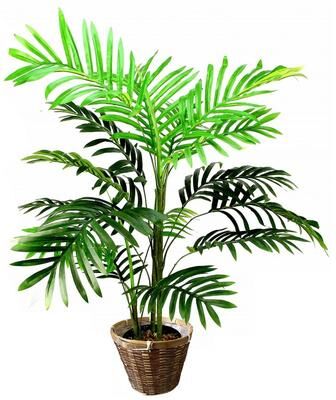
Admired by Nature 3' Artificial Paradise Palm Tree Plants (Set of 2)Bring paradise to your living room with this set of two 3-foot tall artificial palm trees. Each palm leaf features bright, vibrant green colors for realism, and the resin bases look like real planters.76,14 $*Shipping: 0,00 $Secure redirect to the provider
-
Admired by Nature GTR7681-GREEN-2 18 Inch Artificial Boxwood Topiary Plants - 2 Ball-Shape Faux TopiariesBring the beauty of gardening to your room, home office or restaurant. Perfect for tabletop display. This 18 inches artificial 2 ball-shaped boxwood topiary requires no trimming and watering all year long!75,17 $*Shipping: 0,00 $Secure redirect to the provider
-
Which plants from nature are suitable for the aquarium?
There are several plants from nature that are suitable for the aquarium, including Java fern, Anubias, Amazon sword, and Vallisneria. These plants are popular choices for aquariums because they are relatively easy to care for and can thrive in the aquatic environment. Additionally, they provide natural filtration, oxygenation, and hiding places for fish, making them beneficial for the overall health of the aquarium ecosystem. It's important to research the specific needs of each plant and ensure they are compatible with the fish and other inhabitants of the aquarium. **
-
What are cruciferous plants, mint family plants, and leguminous plants?
Cruciferous plants are a group of vegetables that belong to the Brassicaceae family, including broccoli, cauliflower, cabbage, and kale. Mint family plants, also known as Lamiaceae family, include herbs like mint, basil, rosemary, and oregano. Leguminous plants are members of the Fabaceae family and are known for their ability to fix nitrogen in the soil, including beans, peas, lentils, and peanuts. Each of these plant families includes a variety of edible plants that are commonly used in cooking and gardening. **
-
How long can carnivorous plants survive without food?
Carnivorous plants can survive for varying lengths of time without catching and consuming prey. Some species, such as the Venus flytrap, can survive for several weeks to a few months without catching insects, as they are able to derive some nutrients from the soil. However, prolonged periods without food can weaken the plant and affect its overall health and ability to photosynthesize. It is important for carnivorous plants to regularly catch and consume prey in order to thrive and maintain their unique adaptations for nutrient acquisition. **
-
Why do plants grow in nature under the worst conditions alone, but when humans grow plants, they need something?
Plants in nature have evolved to adapt and survive in harsh conditions through natural selection. They have developed mechanisms to obtain water, nutrients, and sunlight from their environment. However, when humans grow plants, they are often placed in artificial environments such as pots or gardens, where the natural resources may be limited. Therefore, humans need to provide plants with the necessary water, nutrients, and sunlight to ensure their growth and survival. Additionally, in nature, plants may also have access to a diverse range of microorganisms and beneficial insects that help support their growth, which may not be present in human-controlled environments. **
Similar search terms for Plants
-
DK Children Weird and Wonderful Nature: Tales of More Than 100 Unique Animals, Plants, and Phenomena (DK Treasures)Enjoy more than 100 extraordinary stories of unusual species, behaviours, and objects all told by author Ben Hoare. Why do Mexican jumping beans jump? How do sea cucumbers defend themselves? What causes the northern lights? This book is filled with facts about the most surprising and curious plants, animals, rocks, and phenomena in nature. Children aged 7-9 can read stories of more than one hundred unique animals, plants and phenomena and learn about the weird and wonderful side of the natural world. Weird and Wonderful Nature is the third installment of the DK Treasure's series, exploring the many bizarre animals and plants that are uniquely adapted to their way of life. This fascinating nature book for kids offers: - Facts from a range of topics, from animals to plants and rocks to natural phenomena, that are guaranteed to wow adults and children alike. - Large photographs that show each species or item in incredible detail, with diagrams help to support understanding. - A gold foil cover and beautiful illustrations, making this book an ideal gift for young nature lovers. In Weird and Wonderful Nature, Ben Hoare's friendly, informative explanations are paired with photographs and charming illustrations to make sure every page captivates the imagination, while a glossary and index help to navigate the chapters. The third title by best selling author Ben Hoare, after Nature's Treasures and The Secret World of Plants, this is the ideal gift book series that will be treasured for years to come. More in the SeriesWeird and Wonderful Nature is part of DK's Treasure's series. Complete the series and inspire your child's curiosity in natural world with Nature's Treasures, or bring out their inner botanist with The Secret World of Plants.12,99 £*Shipping: 2,99 £Secure redirect to the provider
-
BBC Books RHS How to Garden 3 Book Set – Perennial Plants, Grow Food for Free & Gardening Guide CollectionHow to Garden Perennial Garden Plants, RHS How To Garden (HB), Grow Food for Free (HB) 3 Books Collection Set Alan Titchmarsh How to Garden: Perennial Garden Plants Herbaceous perennials flower each year, dying down in the winter and springing back to life the following spring. They are central features in the landscape of a garden as they appear year-after-year and must be regarded as constant features. This book gives the expert view on the vast array of flowers available. Includes: creative garden ideas and border planting plans practical advice on care, maintenance and propagation illustrated A-Z profiles of recommended plants recommended plants for specific purposes, conditions and effects step-by-step illustrations showing essential techniques Alan Titchmarsh imparts a lifetime of expertise in these definitive guides for beginners and experienced gardeners. Step-by-step illustrations and easy-to-follow instructions guide you through the basic gardening skills and on to the advanced techniques, providing everything you need to create beautiful flower borders in your garden. RHS How To Garden When You're New To Gardening: The Basics For Absolute Beginners (Hardback) If the desire to start a garden has been planted in your heart, then this essential guide is a wonderful companion to accompany you on your new adventure! If you're not sure of the first steps to take, this handbook takes the anxiety out of plotting and planting and equips you with all the know-how and confidence you need to get digging into your garden. Creating a garden that you can enjoy and keep looking beautiful all year round is easier than you think!With the expertise of the Royal Horticultural Society, you'll find simple step-by-step instructions, with clear images to help you create your dream garden, no matter the size and scale. Get to know your garden and choose plants that will grow well in particular soil types and conditions year after year. From growing root crop to cutting back ivy, this book gives you lots of simple garden ideas and projects that you can do yourself. Even if you've never sowed a seed or pulled a weed, RHS How to Garden When You're New To Gardening contains everything you need to kickstart your new outdoor hobby! This refreshingly accessible book is perfect for the novice gardener who wants to make the most of whatever garden they have. Your Guide to Creating the Garden of Your Dreams Do you want to create a garden you can show off with pride? Would you like to grow your own food? This book will get you started quickly! By following the simple steps and projects outlined in this book, you will reap instant rewards and long-term successes so that you can enjoy your garden in all seasons. Inside the pages of this comprehensive gardening book, you'll discover: - Clear definitions and descriptions of the different types of plants. - Tips on choosing the type of garden you want. - Easy-to-follow instructions for choosing the right plants for your soil....14,99 £*Shipping: 2,99 £Secure redirect to the provider
-
Seasalt Wavecrest Short Sleeve Top Apothecary Plants ChalkThe Seasalt Wavecrest Short Sleeve Top Apothecary Plants Chalk flaunts short sleeves and a relaxed fit. A softly rounded collar and notch neckline give the organic cotton shirt a distinctive detail, and it is finished with a curved hem and small side slits for easy movement. In an original Seasalt print, inspired by Cornish landscape. Made from 100% Organic Cotton. Machine washable.25,00 £*Shipping: 3,50 £Secure redirect to the provider
-
DEVERA 2-Pack 5.2FT Artificial Areca Palm PlantsFeatures Space-enhancing foliage Creates vertical greenery for compact areas. Artificial green plant home decoration no watering living room decoration. Uv resistant and not easy to fade factory delivery.121,73 $*Shipping: 0,00 $Secure redirect to the provider
-
What impact do food shortages have on hedge plants?
Food shortages can have a significant impact on hedge plants as they rely on nutrients from the soil to grow and thrive. Without sufficient nutrients, hedge plants may experience stunted growth, reduced foliage, and overall weakened health. This can make them more susceptible to diseases and pest infestations, and may also affect their ability to provide the desired privacy and aesthetic appeal. Additionally, food shortages can hinder the hedge plants' ability to recover from pruning or environmental stress, further compromising their overall health and vitality. **
-
How much space, plants, food, etc. do guppies need?
Guppies are small freshwater fish and don't require a lot of space. A single guppy can thrive in a tank as small as 5 gallons, but it's recommended to provide at least 2-5 gallons of water per guppy to ensure they have enough space to swim and thrive. When it comes to plants, guppies enjoy having live or artificial plants in their tank to provide hiding spots and a more natural environment. As for food, guppies are omnivorous and can be fed a diet of high-quality flake or pellet food, supplemented with live or frozen foods such as bloodworms or brine shrimp. Overall, guppies are relatively low-maintenance fish and can thrive in a well-maintained tank with proper water parameters and a balanced diet. **
-
Which plants?
There are many different types of plants in the world, ranging from flowering plants like roses and tulips to trees like oak and pine. Other common plants include grasses, ferns, succulents, and vegetables like tomatoes and carrots. Each type of plant has unique characteristics and requirements for growth, making them diverse and interesting to study and cultivate. **
-
Why are many arctic plants long-day plants?
Many arctic plants are long-day plants because they have adapted to the long periods of daylight that occur during the Arctic summer. These plants have evolved to take advantage of the extended daylight hours for photosynthesis and growth. By being able to photosynthesize for longer periods of time, arctic plants can maximize their growth and reproductive potential during the short growing season in the Arctic. **
* All prices are inclusive of VAT and, if applicable, plus shipping costs. The offer information is based on the details provided by the respective shop and is updated through automated processes. Real-time updates do not occur, so deviations can occur in individual cases. ** Note: Parts of this content were created by AI.