Buy getl.eu ?
We are moving the project
getl.eu .
Are you interested in purchasing the domain
getl.eu ?
domain@kv-gmbh.de · 0541-91531010
Buy getl.eu ?
Where does chlorine occur in nature?
Chlorine occurs in nature primarily in the form of the mineral halite, also known as rock salt. It is also found in the oceans as part of sodium chloride, which makes up the majority of the salt in seawater. Additionally, chlorine can be found in various minerals and in small amounts in soil, as well as in some types of volcanic gases. **
Why do chlorine, fluorine, and bromine not occur in nature?
Chlorine, fluorine, and bromine do occur in nature, but they are typically found in compounds rather than in their pure elemental form. This is because they are highly reactive and readily form compounds with other elements. For example, chlorine is commonly found in the form of sodium chloride (table salt), fluorine is found in the form of calcium fluoride, and bromine is found in the form of sodium bromide. These compounds are more stable and less reactive than the pure elements, which is why they are more commonly found in nature. **
Similar search terms for Chlorine
Top-Angebote
Products related to Chlorine:
-
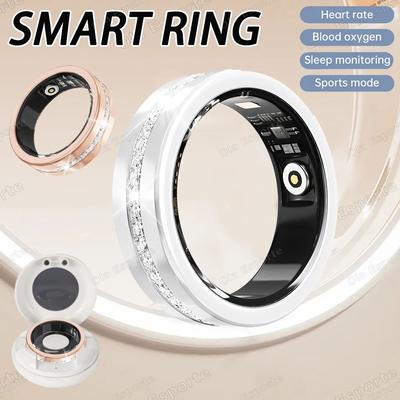
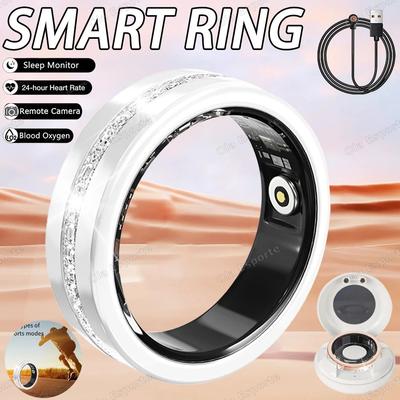
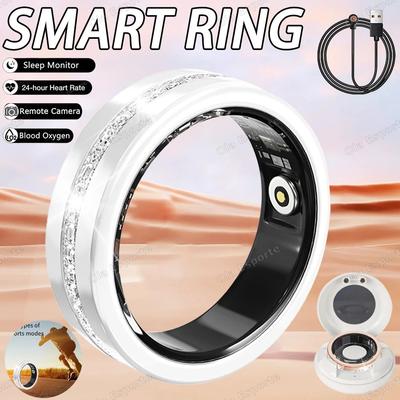
Uplift Treasures Fashion Smart Fitness Ring Heart Rate Pedometer Health Tracker black 10Product Description Combine style and wellness with this elegant smart fitness ring designed especially for everyday health tracking. Featuring heart rate monitoring, step counting, and sports activity tracking, this diamond style smart ring blends...33,97 $*Shipping: 0,00 $Secure redirect to the provider
-
Uplift Treasures Fashion Smart Fitness Ring Heart Rate Pedometer Health Tracker black 8Product Description Combine style and wellness with this elegant smart fitness ring designed especially for everyday health tracking. Featuring heart rate monitoring, step counting, and sports activity tracking, this diamond style smart ring blends...33,97 $*Shipping: 0,00 $Secure redirect to the provider
-
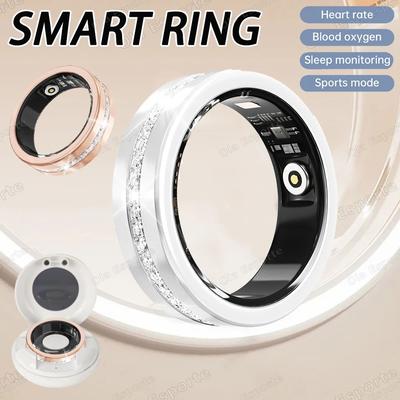
Uplift Treasures Fashion Smart Fitness Ring Heart Rate Pedometer Health Tracker silver With Box 8Product Description Combine style and wellness with this elegant smart fitness ring designed especially for everyday health tracking. Featuring heart rate monitoring, step counting, and sports activity tracking, this diamond style smart ring blends...147,97 $*Shipping: 0,00 $Secure redirect to the provider
-
Uplift Treasures Fashion Smart Fitness Ring Heart Rate Pedometer Health Tracker silver With Box 9Product Description Combine style and wellness with this elegant smart fitness ring designed especially for everyday health tracking. Featuring heart rate monitoring, step counting, and sports activity tracking, this diamond style smart ring blends...147,97 $*Shipping: 0,00 $Secure redirect to the provider
-
What is the difference between chlorine and chlorine dioxide?
Chlorine is a chemical element with the symbol Cl and is a strong oxidizing agent commonly used for disinfection purposes. Chlorine dioxide, on the other hand, is a chemical compound with the formula ClO2 and is also used as a disinfectant but is considered to be a more effective and safer alternative to chlorine. Chlorine dioxide is a yellow to reddish gas at room temperature, while chlorine is a greenish-yellow gas. Additionally, chlorine dioxide is less likely to form harmful byproducts compared to chlorine. **
-
Why do chlorine, fluorine, and bromine not occur naturally in nature?
Chlorine, fluorine, and bromine do not occur naturally in their elemental form in nature because they are highly reactive and tend to form compounds with other elements. These elements are typically found in nature as part of compounds such as salts or minerals. Additionally, their reactivity makes them unstable in their pure form, leading them to readily react with other elements to form compounds. This is why they are typically found in combination with other elements rather than existing on their own in nature. **
-
What is the difference between chlorine cleaner and food?
Chlorine cleaner is a chemical product used for disinfecting and cleaning surfaces, while food is a substance consumed for nourishment. Chlorine cleaner is not safe for consumption and can be harmful if ingested, while food is specifically designed for human consumption and provides essential nutrients for the body. Additionally, chlorine cleaner is used to kill bacteria and germs, while food provides energy and sustenance for the body. **
-
Why do fluorine, chlorine, and bromine not occur in nature as elements?
Fluorine, chlorine, and bromine do not occur in nature as elements because they are highly reactive and readily form compounds with other elements. These compounds are more stable than the pure elements, so fluorine, chlorine, and bromine are typically found in nature as part of compounds such as sodium fluoride, sodium chloride (table salt), and sodium bromide. Additionally, these elements are part of the halogen group, which is known for its high reactivity and tendency to form compounds with other elements. **
Why do two chlorine atoms combine to form a chlorine molecule?
Two chlorine atoms combine to form a chlorine molecule because each chlorine atom has seven electrons in its outer shell, making them highly reactive and likely to form a covalent bond. By sharing one electron each, the two chlorine atoms can achieve a stable electron configuration with a full outer shell of eight electrons, similar to the noble gas configuration. This sharing of electrons allows the two atoms to become more stable and lower their overall energy, forming a strong bond between them. **
Does chlorine damage hair?
Chlorine can damage hair by stripping away its natural oils, leading to dryness and brittleness. It can also cause the hair cuticle to become rough and frayed, making the hair more prone to breakage and split ends. To minimize damage from chlorine, it is recommended to wet the hair with clean water before swimming, use a swim cap, and rinse the hair thoroughly with fresh water after swimming to remove chlorine residue. Additionally, using a clarifying shampoo or deep conditioning treatment can help restore moisture and repair any damage caused by chlorine exposure. **
Top-Angebote
Products related to Chlorine:
-
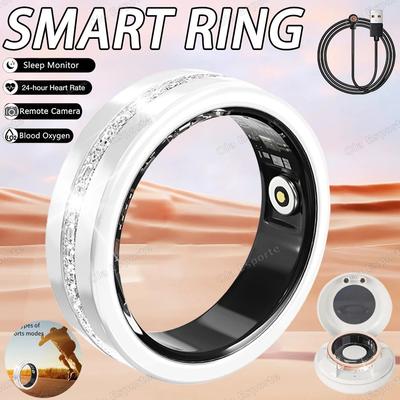
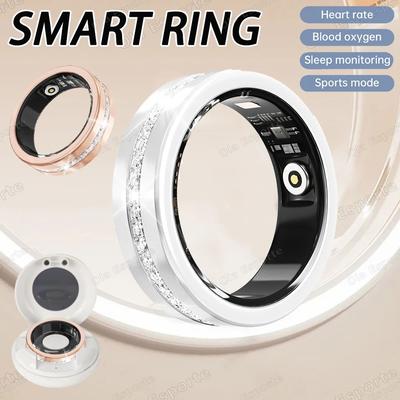
Uplift Treasures Fashion Smart Fitness Ring Heart Rate Pedometer Health Tracker black 9Product Description Combine style and wellness with this elegant smart fitness ring designed especially for everyday health tracking. Featuring heart rate monitoring, step counting, and sports activity tracking, this diamond style smart ring blends...33,97 $*Shipping: 0,00 $Secure redirect to the provider
-
Uplift Treasures Fashion Smart Fitness Ring Heart Rate Pedometer Health Tracker black 7Product Description Combine style and wellness with this elegant smart fitness ring designed especially for everyday health tracking. Featuring heart rate monitoring, step counting, and sports activity tracking, this diamond style smart ring blends...33,97 $*Shipping: 0,00 $Secure redirect to the provider
-
Uplift Treasures Fashion Smart Fitness Ring Heart Rate Pedometer Health Tracker black 10Product Description Combine style and wellness with this elegant smart fitness ring designed especially for everyday health tracking. Featuring heart rate monitoring, step counting, and sports activity tracking, this diamond style smart ring blends...33,97 $*Shipping: 0,00 $Secure redirect to the provider
-
Uplift Treasures Fashion Smart Fitness Ring Heart Rate Pedometer Health Tracker black 8Product Description Combine style and wellness with this elegant smart fitness ring designed especially for everyday health tracking. Featuring heart rate monitoring, step counting, and sports activity tracking, this diamond style smart ring blends...33,97 $*Shipping: 0,00 $Secure redirect to the provider
-
Where does chlorine occur in nature?
Chlorine occurs in nature primarily in the form of the mineral halite, also known as rock salt. It is also found in the oceans as part of sodium chloride, which makes up the majority of the salt in seawater. Additionally, chlorine can be found in various minerals and in small amounts in soil, as well as in some types of volcanic gases. **
-
Why do chlorine, fluorine, and bromine not occur in nature?
Chlorine, fluorine, and bromine do occur in nature, but they are typically found in compounds rather than in their pure elemental form. This is because they are highly reactive and readily form compounds with other elements. For example, chlorine is commonly found in the form of sodium chloride (table salt), fluorine is found in the form of calcium fluoride, and bromine is found in the form of sodium bromide. These compounds are more stable and less reactive than the pure elements, which is why they are more commonly found in nature. **
-
What is the difference between chlorine and chlorine dioxide?
Chlorine is a chemical element with the symbol Cl and is a strong oxidizing agent commonly used for disinfection purposes. Chlorine dioxide, on the other hand, is a chemical compound with the formula ClO2 and is also used as a disinfectant but is considered to be a more effective and safer alternative to chlorine. Chlorine dioxide is a yellow to reddish gas at room temperature, while chlorine is a greenish-yellow gas. Additionally, chlorine dioxide is less likely to form harmful byproducts compared to chlorine. **
-
Why do chlorine, fluorine, and bromine not occur naturally in nature?
Chlorine, fluorine, and bromine do not occur naturally in their elemental form in nature because they are highly reactive and tend to form compounds with other elements. These elements are typically found in nature as part of compounds such as salts or minerals. Additionally, their reactivity makes them unstable in their pure form, leading them to readily react with other elements to form compounds. This is why they are typically found in combination with other elements rather than existing on their own in nature. **
Similar search terms for Chlorine
-
Uplift Treasures Fashion Smart Fitness Ring Heart Rate Pedometer Health Tracker silver With Box 8Product Description Combine style and wellness with this elegant smart fitness ring designed especially for everyday health tracking. Featuring heart rate monitoring, step counting, and sports activity tracking, this diamond style smart ring blends...147,97 $*Shipping: 0,00 $Secure redirect to the provider
-
Uplift Treasures Fashion Smart Fitness Ring Heart Rate Pedometer Health Tracker silver With Box 9Product Description Combine style and wellness with this elegant smart fitness ring designed especially for everyday health tracking. Featuring heart rate monitoring, step counting, and sports activity tracking, this diamond style smart ring blends...147,97 $*Shipping: 0,00 $Secure redirect to the provider
-
Uplift Treasures Fashion Smart Fitness Ring Heart Rate Pedometer Health Tracker silver With Box 10Product Description Combine style and wellness with this elegant smart fitness ring designed especially for everyday health tracking. Featuring heart rate monitoring, step counting, and sports activity tracking, this diamond style smart ring blends...147,97 $*Shipping: 0,00 $Secure redirect to the provider
-
Uplift Treasures Fashion Smart Fitness Ring Heart Rate Pedometer Health Tracker silver With Box 7Product Description Combine style and wellness with this elegant smart fitness ring designed especially for everyday health tracking. Featuring heart rate monitoring, step counting, and sports activity tracking, this diamond style smart ring blends...147,97 $*Shipping: 0,00 $Secure redirect to the provider
-
What is the difference between chlorine cleaner and food?
Chlorine cleaner is a chemical product used for disinfecting and cleaning surfaces, while food is a substance consumed for nourishment. Chlorine cleaner is not safe for consumption and can be harmful if ingested, while food is specifically designed for human consumption and provides essential nutrients for the body. Additionally, chlorine cleaner is used to kill bacteria and germs, while food provides energy and sustenance for the body. **
-
Why do fluorine, chlorine, and bromine not occur in nature as elements?
Fluorine, chlorine, and bromine do not occur in nature as elements because they are highly reactive and readily form compounds with other elements. These compounds are more stable than the pure elements, so fluorine, chlorine, and bromine are typically found in nature as part of compounds such as sodium fluoride, sodium chloride (table salt), and sodium bromide. Additionally, these elements are part of the halogen group, which is known for its high reactivity and tendency to form compounds with other elements. **
-
Why do two chlorine atoms combine to form a chlorine molecule?
Two chlorine atoms combine to form a chlorine molecule because each chlorine atom has seven electrons in its outer shell, making them highly reactive and likely to form a covalent bond. By sharing one electron each, the two chlorine atoms can achieve a stable electron configuration with a full outer shell of eight electrons, similar to the noble gas configuration. This sharing of electrons allows the two atoms to become more stable and lower their overall energy, forming a strong bond between them. **
-
Does chlorine damage hair?
Chlorine can damage hair by stripping away its natural oils, leading to dryness and brittleness. It can also cause the hair cuticle to become rough and frayed, making the hair more prone to breakage and split ends. To minimize damage from chlorine, it is recommended to wet the hair with clean water before swimming, use a swim cap, and rinse the hair thoroughly with fresh water after swimming to remove chlorine residue. Additionally, using a clarifying shampoo or deep conditioning treatment can help restore moisture and repair any damage caused by chlorine exposure. **
* All prices are inclusive of VAT and, if applicable, plus shipping costs. The offer information is based on the details provided by the respective shop and is updated through automated processes. Real-time updates do not occur, so deviations can occur in individual cases. ** Note: Parts of this content were created by AI.